
Introduction to the Myths & Legends of West Java
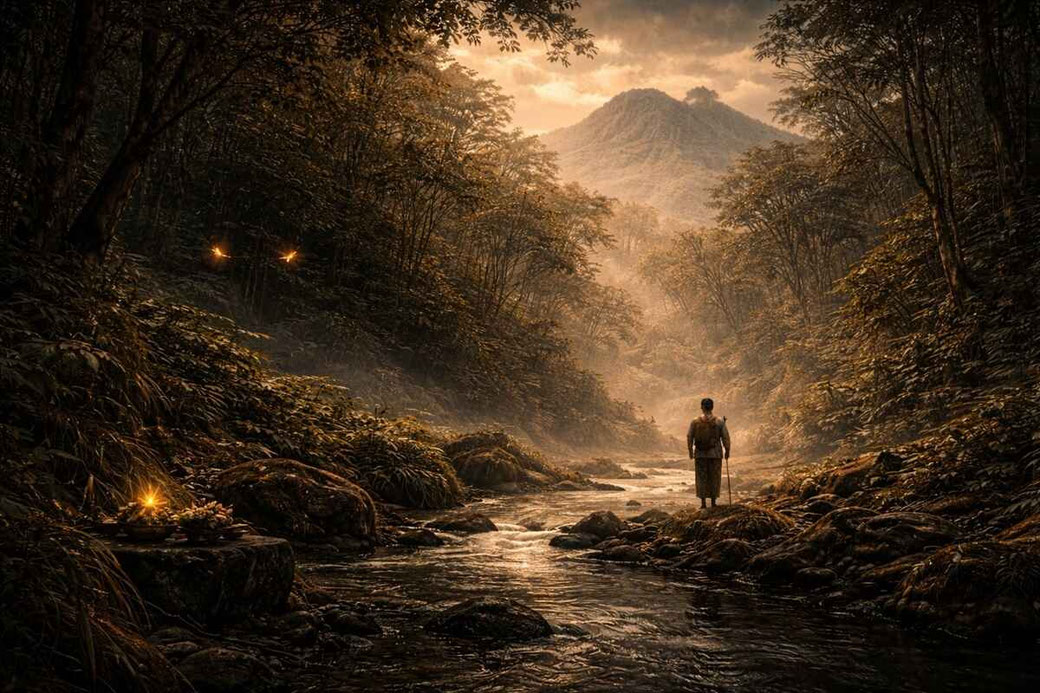
East Java is a land of powerful volcanoes, ancient kingdoms, dramatic coastlines, and some of the most intense and mystical legends on the island. Compared to the softer tone of West Java and the courtly refinement of Central Java, the myths of East Java often feel raw, elemental, and deeply connected to forces of nature. Here, fire, earth, and sea shape the stories — and the spirits within them.
This region once held influential kingdoms such as Kadiri, Janggala, and Majapahit, whose rise and fall are still wrapped in myth. The landscapes themselves — from the roaring crater of Mount Bromo to the rugged highlands of Banyuwangi — inspire tales of heroes, vengeful spirits, guardian deities, and ancestral magic. These stories are still reflected in festivals, temple rituals, and community traditions that have survived for centuries.
Below you will find ten defining legends from East Java, each tied to the region’s dramatic geography and ancient royal heritage.

Ken Arok & Ken Dedes
The Birth of a Dynasty
The legend of Ken Arok and Ken Dedes tells a dramatic story of ambition, prophecy, and betrayal. From humble origins to royal power, their union marked the violent birth of East Java’s first great dynasty.
The Curse of Calon Arang
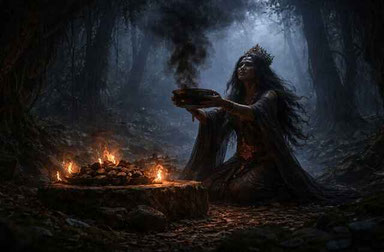
The legend of Calon Arang tells of a powerful sorceress whose anger and grief brought chaos to East Java. Set in the ancient kingdom of Girah, the story explores the destructive force of unbalanced spiritual power and the struggle to restore harmony.
Damarwulan & Minakjingga
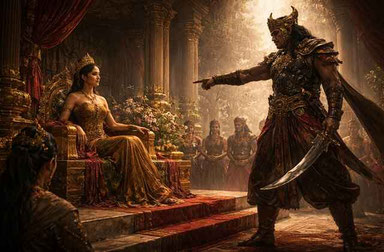
The legend of Damarwulan and Minakjingga tells the heroic story of a humble young man who rose to greatness by defeating a tyrant. Set between Majapahit and Blambangan, the tale celebrates courage, loyalty, and the triumph of justice over brute power.

The Origin of Mount Bromo
Roro Anteng & Joko Seger
The legend of Roro Anteng and Joko Seger explains the sacred origins of Mount Bromo and the Tengger people. It is a story of love, devotion, sacrifice, and the eternal bond between humans and the volcanic forces that shape East Java.
Lembu Sura & Mount Kelud
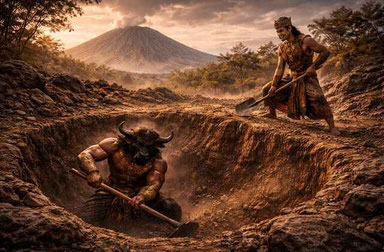
The legend of Lembu Sura explains the destructive power of Mount Kelud through a tale of betrayal and curse.
It tells how a mighty being’s final words transformed anger into a volcanic force that still shapes East Java’s landscape today.

Sunan Giri – The Child Saint
The legend of Sunan Giri tells the remarkable story of a child whose wisdom surpassed that of adults. Revered as a saint and teacher, he became one of Java’s most influential spiritual figures, shaping faith, education, and moral values across East Java.

The Banyuwangi Legend – Sri Tanjung
The legend of Sri Tanjung explains the origin of Banyuwangi’s name through a tragic story of love, jealousy, and innocence.
It is a tale in which truth is revealed only after great injustice, leaving a lasting mark on East Java’s landscape.
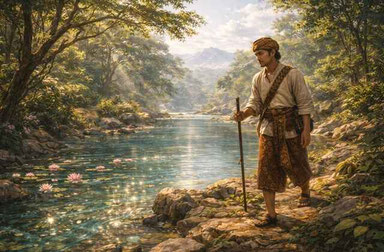
Panji & Sekartaji – The Majapahit Romance
The legend of Panji and Sekartaji is a timeless Majapahit romance about love, separation, and destiny.
Through disguises, wanderings, and trials, their story celebrates loyalty and the belief that true love will always find its way back.
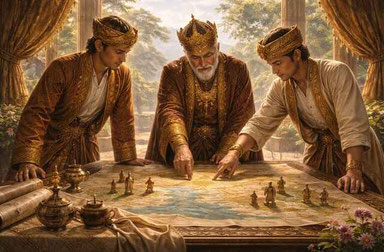
Jenggala and the Split of the Realm
The legend of Jenggala tells how a powerful East Javanese kingdom was deliberately divided to prevent conflict.
It is a story of foresight, restraint, and the belief that peace can be preserved through wisdom rather than force.
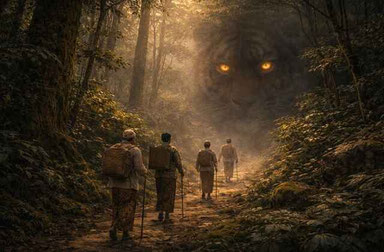
The Guardian Tiger of Mount Kawi
The legend of the Guardian Tiger of Mount Kawi tells of a powerful spirit that protects sacred ground and those who approach it with pure intentions. It is a story rooted in belief, devotion, and the unseen forces that guard East Java’s spiritual heartlands.