java touristic destinations
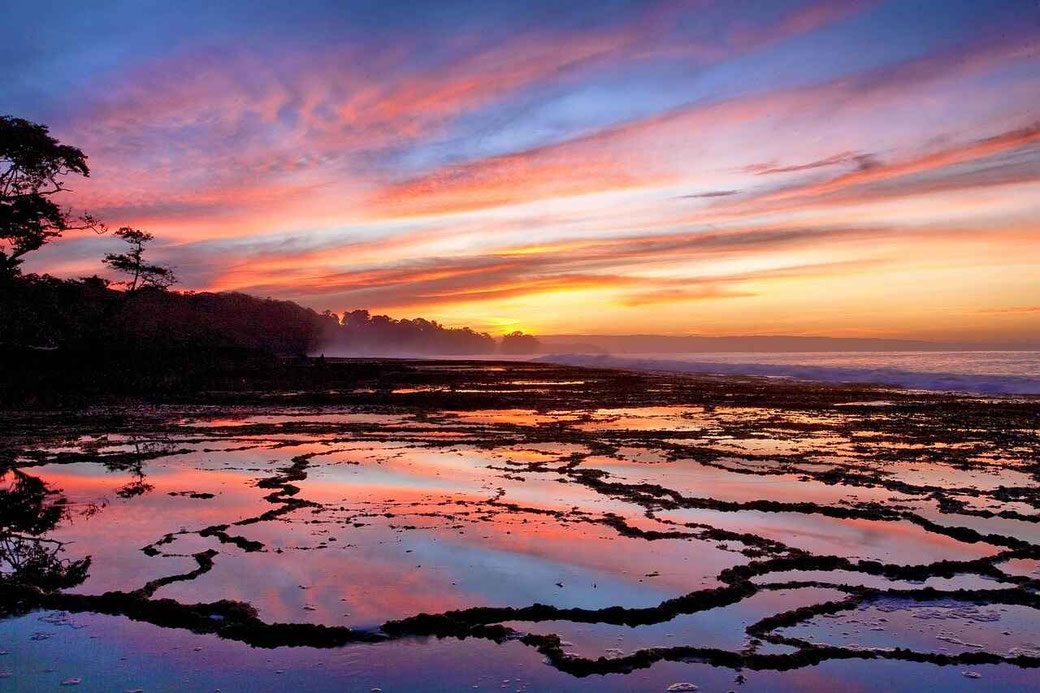
Java, the beating heart of Indonesia, is an island where ancient history, diverse cultures, and dramatic landscapes come together in an unforgettable way. Stretching over 1.000 kilometers from west to east, Java is home to more than half of Indonesia’s population and has served for centuries as a center of politics, trade, religion, and the arts. Its past is etched into magnificent temples, royal palaces, colonial architecture, and traditional villages where local customs remain very much alive.
The island is broadly divided into West Java, Central Java, and East Java, each offering its own character, atmosphere, and natural beauty.
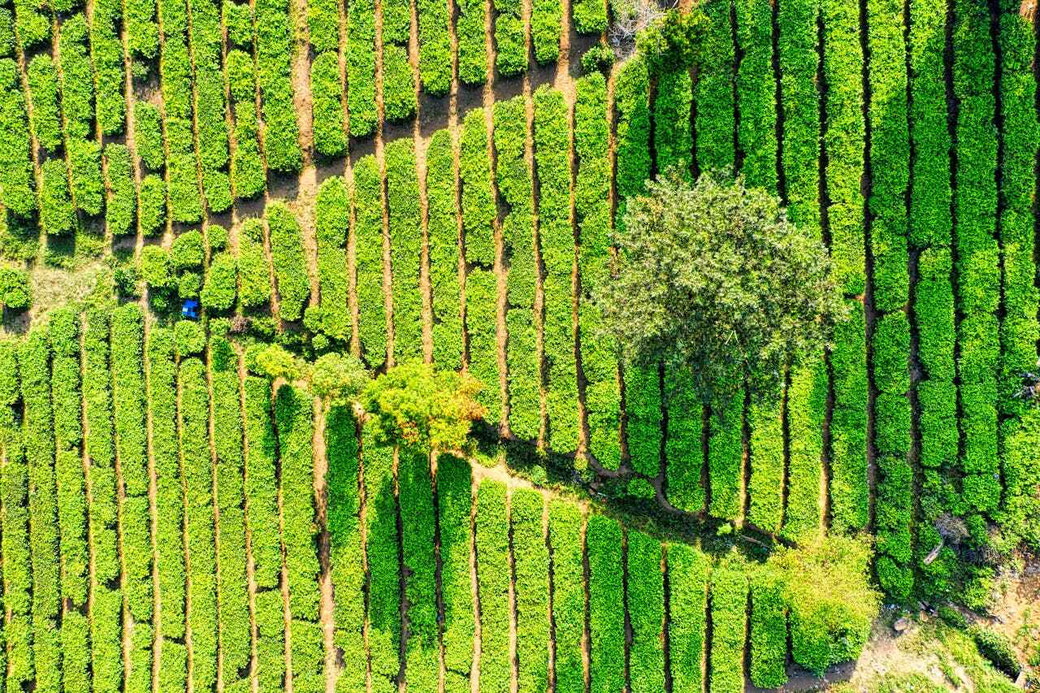
West Java is known for its lush highlands, tea plantations, volcanic craters, and cool mountain air. The region combines cultural richness with dramatic scenery, from misty lakes to cascading waterfalls hidden among dense forests.
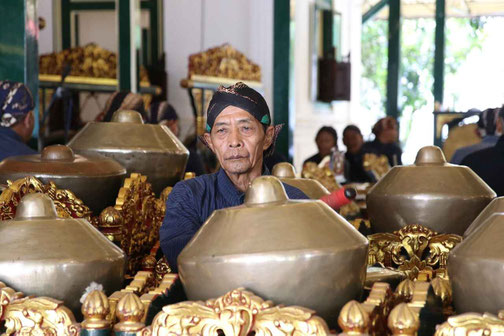

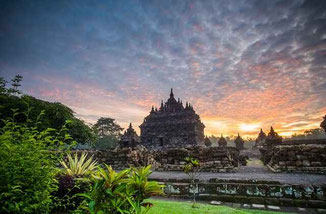
Central Java, the cultural and spiritual heartland, is home to ancient wonders such as Borobudur and Prambanan—two of Southeast Asia’s most impressive temple complexes. Beyond these landmarks, the region offers serene rice terraces, volcanic plateaus, vibrant cities, and traditional arts that have shaped Javanese identity for centuries.
East Java is rugged and adventurous, with some of Indonesia’s most iconic natural attractions. The otherworldly sunrise over Mount Bromo, the turquoise crater lake of Ijen, and the towering Tumpak Sewu waterfall make this region ideal for nature lovers and explorers. East Java also boasts peaceful beaches, wildlife-rich national parks, and cultural traditions influenced by both Javanese and Madurese heritage.
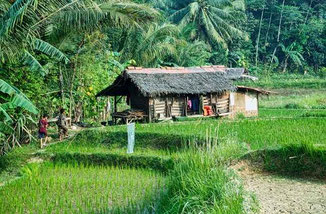

From emerald rice fields to powerful volcanoes and white-sand beaches with clear blue water, Java offers a diversity that few islands in the world can match. Whether visitors seek culture, adventure, history, or pure natural beauty, Java provides experiences found nowhere else in Indonesia.