
West java touristic destinations
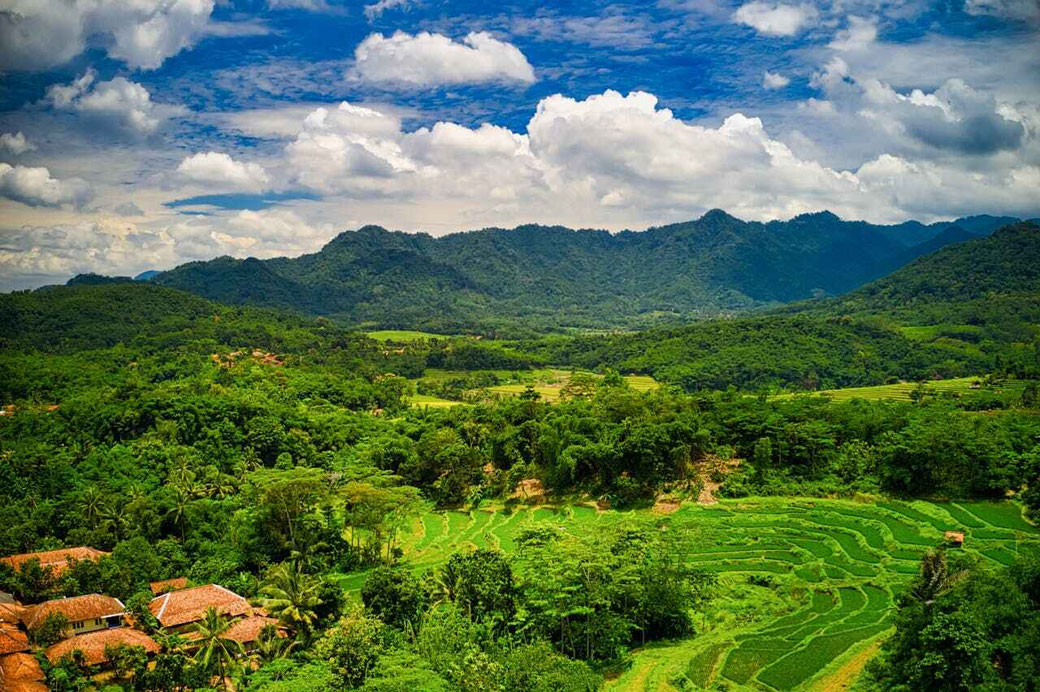
West Java offers a rich blend of natural beauty, cultural heritage, and vibrant local life. From volcanic craters and misty highlands to peaceful beaches and traditional villages, the region showcases some of Indonesia’s most diverse landscapes. Below you will find a curated selection of both well-known attractions and lesser-visited gems—perfect for travelers who enjoy exploring beyond the usual tourist routes. Whether you’re drawn to nature, history, or authentic cultural experiences, West Java has something to inspire every journey.
Kawah Putih (Ciwidey)
Sulfur Lake in the Clouds

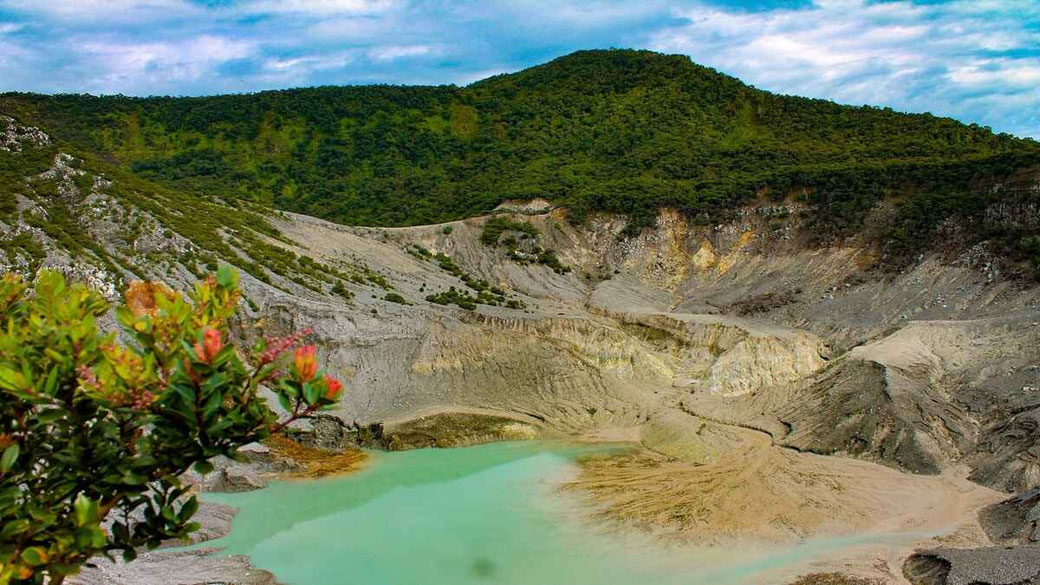
Kawah Putih, a volcanic crater lake located in the highlands of Ciwidey, is one of West Java’s most surreal natural attractions. The lake is famous for its milky turquoise water, which shifts color depending on the temperature, sunlight, and sulfur concentration.

Surrounded by cool mist and pale volcanic cliffs, the landscape feels almost otherworldly — a stark contrast to the humid lowlands of Java.
Despite its popularity, the site retains an atmosphere of calm, especially during early mornings when the air is crisp and the crowds are smaller. A wooden boardwalk leads visitors directly to the crater’s edge, where the scent of sulfur mixes with the fresh mountain breeze. The surrounding forest offers short walking trails, photo viewpoints, and resting areas that make the visit more enjoyable.
Kawah Putih is accessible from Bandung and ideal for travelers who want a scenic escape into nature without strenuous hiking. Its dramatic colors, tranquil setting, and unique volcanic environment make it one of West Java’s most memorable destinations — perfect for photography, relaxation, or simply experiencing the island’s volcanic character up close.
Situ Gunung Suspension Bridge
Hidden Gem in Sukabumi
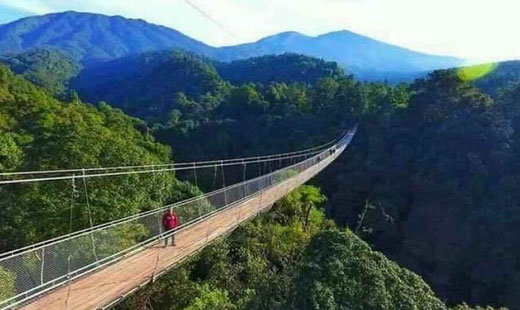
Often overlooked in favor of more famous sites near Bandung or Jakarta, the Situ Gunung Suspension Bridge offers one of the most breathtaking forest experiences in West Java.
Stretching more than 240 meters and hanging high above the trees of Mount Gede Pangrango National Park, it is one of the longest pedestrian suspension bridges in Southeast Asia.
Crossing the bridge feels like stepping into a cinematic jungle landscape. The dense forest below is filled with birds, mist, and the sound of running water.
Once across, visitors can follow scenic trails to destinations such as Curug Sawer, a beautiful waterfall accessible only by foot.
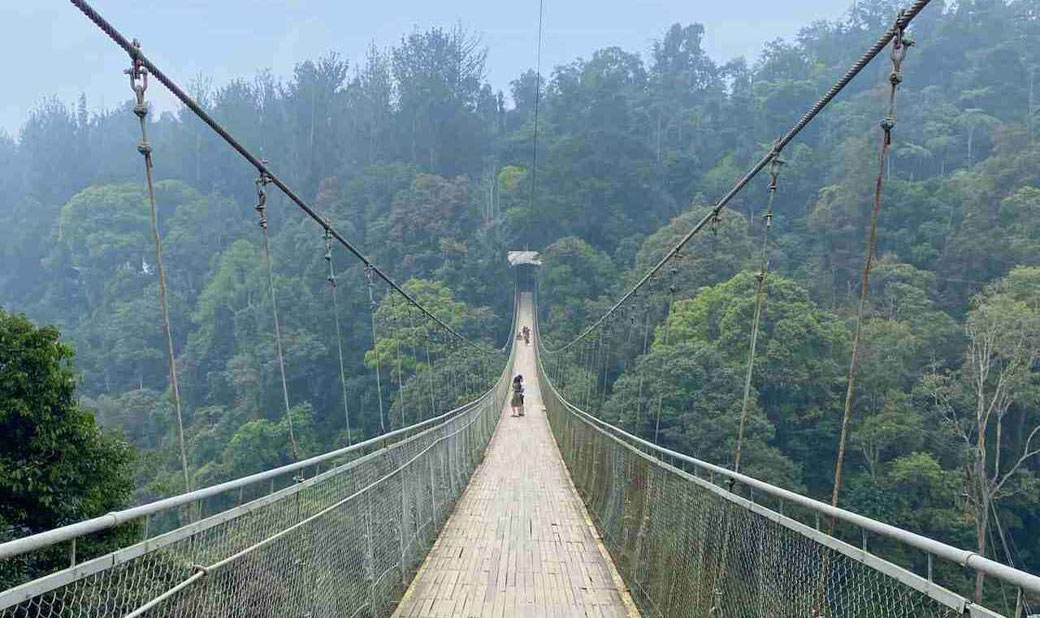
What makes Situ Gunung special is the blend of adventure and accessibility: the walk is safe, the paths are well maintained, and the forest scenery is spectacular without requiring hours of hiking. This makes it a perfect addition for travelers looking for something off the typical tourist trail, while still enjoying a fully natural immersive environment.
Bandung’s Tangkuban Perahu Volcano
The “Upturned Boat” Crater
Tangkuban Perahu is a classic West Java attraction shaped by the Sundanese legend of Sangkuriang. Its name, meaning “upturned boat,” reflects the mountain’s distinctive shape. Visitors can walk along the rim of the main crater and observe steaming vents, sulfur fumes, and rugged volcanic terrain.

The volcano is easily accessible from Bandung, making it ideal for half-day trips. The paved pathways around the crater allow visitors of all ages to enjoy the experience, while the higher viewpoints offer panoramic views over the surrounding highlands.
Despite being well-known, the site remains impressive because of its geological features and the stories tied to Sundanese culture.
Early mornings bring cooler air and fewer visitors, giving travelers a chance to appreciate the vast landscape in peaceful conditions.
Tangkuban Perahu is an essential stop for those who want to understand West Java’s volcanic heritage and enjoy dramatic mountain scenery.
Pangalengan Lakes & Tea Highlands
Underrated Highlands Paradise
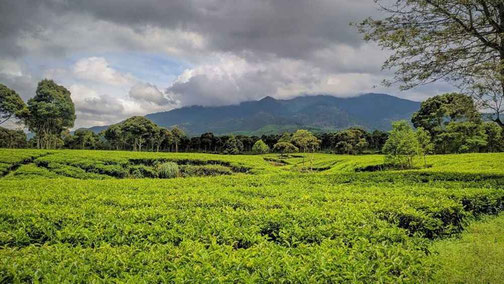
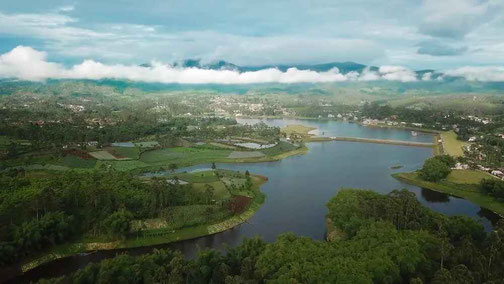
South of Bandung lies the tranquil region of Pangalengan, a landscape of rolling tea plantations, calm lakes, and misty morning views that rival the famous highlands of Ciwidey — but without the crowds.

Places like Lake Cileunca and the Malabar Tea Estate offer a peaceful escape into nature, ideal for photography, soft trekking, and connecting with rural life.
Visitors can walk through endless rows of emerald tea bushes, explore quiet forest trails, or take boat trips across the lake while enjoying cool mountain air. Small villages surround the plantations, giving travelers the opportunity to see daily agricultural life and interact with friendly locals.
Because Pangalengan is less commercialized than other highland areas, it retains a sense of authenticity and calm, making it perfect for travelers looking for hidden gems in West Java.
Bogor Botanical Gardens
Heritage, Science & Tropical Beauty

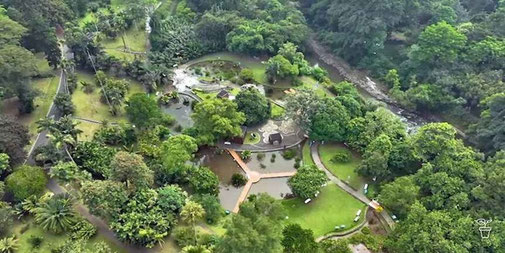
Founded in 1817, the Bogor Botanical Gardens are among the oldest and most respected botanical institutions in Southeast Asia. Spread across 87 hectares in the center of Bogor, the gardens feature more than 10,000 species of plants and trees collected from Indonesia and around the world.
Wide lawns, shady paths, and colonial-era structures make the gardens a perfect place for relaxation, photography, and learning about Indonesia’s diverse plant life. Highlights include the orchid house, giant palm avenues, the old Dutch cemetery, and the impressive presidential palace located just beside the gardens.
Despite being easy to reach from Jakarta, the gardens remain serene, with quiet corners ideal for walking or picnicking. For travelers interested in heritage, ecology, or simply escaping the bustle of Java’s cities, the Bogor Botanical Gardens provide a peaceful and culturally rich experience.

Curug Cikaso waterfalls
One of Java’s Most Beautiful Waterfalls

Hidden deep in the lush landscapes of Sukabumi, Curug Cikaso is a spectacular three-tiered waterfall that remains surprisingly quiet despite its beauty.

The waterfall consists of three powerful streams — Curug Asepan, Curug Meong, and Curug Aki — all plunging into a turquoise pool surrounded by dense tropical forest.
The combination of height, volume, and the striking blue-green water gives Cikaso an almost cinematic appearance.
Reaching the falls involves a short walk or a scenic boat ride along a slow-moving river, where visitors glide past thick jungle and hear birds echoing through the canopy.
The atmosphere is serene and refreshing, offering a peaceful escape from the busier tourist areas of West Java.
Curug Cikaso is ideal for travelers seeking lesser-known natural wonders. The site is perfect for photography, quiet exploration, and enjoying the clean mountain air. With its dramatic beauty and tranquil setting, Cikaso is one of the most rewarding hidden gems in the region.

Braga Street (Bandung)
Colonial History & Creative Culture
Braga Street is one of Bandung’s most iconic areas, known for its mix of colonial-era architecture, modern cafés, vintage shops, and street art.

Once the glamorous center of Dutch colonial life, Braga was filled with elegant boutiques, European restaurants, and art galleries. Today, the street still carries that old-world charm, enhanced by Bandung’s creative spirit.
Visitors can stroll past beautiful whitewashed buildings, enjoy pastries in historic cafés, or explore indie art stores and craft boutiques. The mix of heritage and contemporary lifestyle gives Braga Street a unique atmosphere not found elsewhere in West Java.
At night, soft lighting, live music, and open-air restaurants create a lively yet cozy ambience. Whether visitors come for photography, local snacks, nightlife, or a cultural walk, Braga Street offers an easy and enjoyable introduction to Bandung’s character.

Gunung Padang Megalithic Site
Indonesia’s Mysterious Ancient Hill


Gunung Padang, located in Cianjur, is one of Southeast Asia’s most fascinating archaeological sites — and still one of its most debated. Often called the “Pyramid of Java,” the site consists of massive stone terraces built on a hill, believed to date back thousands of years.
Some theories even suggest it might be one of the oldest megalithic structures in the world.
Visitors climb through several levels of terraced stone platforms surrounded by views of rolling hills and small villages. The atmosphere is peaceful, almost mystical, especially in the early morning when mist hangs over the valley below.
Unlike many archaeological sites, Gunung Padang remains relatively quiet, allowing visitors to explore the terraces freely and imagine what ancient rituals might have taken place here.
It’s a perfect destination for travelers who enjoy history, archaeology, and unusual cultural sites far from mainstream tourism.
Ciater Hot Springs
Relaxation in a Volcanic Landscape
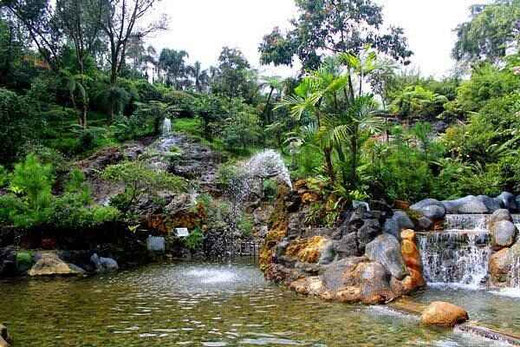
Located on the slopes of Mount Tangkuban Perahu, Ciater Hot Springs offer a soothing natural retreat surrounded by cool highland air.
The warm mineral water flows from volcanic sources and is believed to have health benefits for the skin and circulation.
The complex includes natural pools, small rivers, and landscaped bathing areas where visitors can soak in warm, sulfur-rich water while enjoying the fresh mountain scenery.
Local eateries, walking paths, and picnic areas make Ciater an ideal stop for families, couples, or anyone seeking relaxation after exploring West Java’s volcanic attractions.
What makes Ciater appealing is its combination of accessibility and natural beauty.
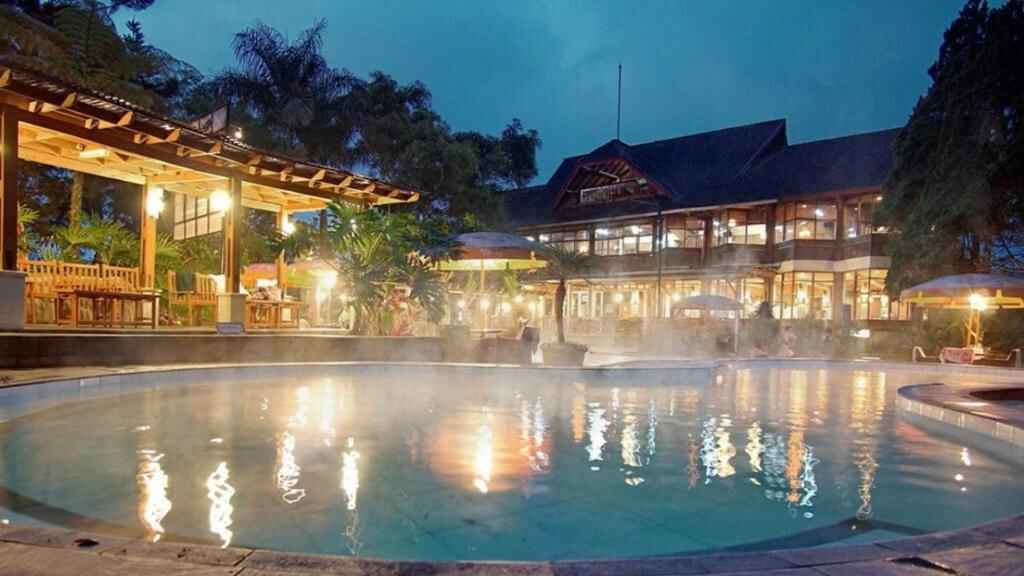
The hot springs are open day and night, and many visitors come for evening baths under the cool highland sky. It remains one of the region’s most enjoyable wellness experiences.
Ciletuh Geopark
Global UNESCO Geosite With Untamed Nature

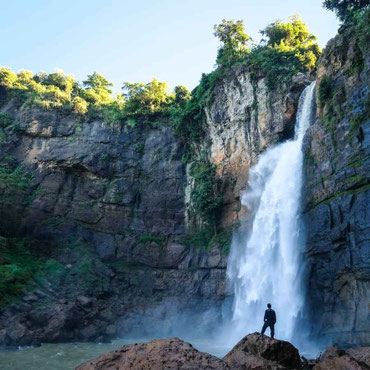
Designated as a UNESCO Global Geopark, Ciletuh is one of West Java’s most spectacular yet under-visited natural regions. The landscape includes ancient rock formations, terraced cliffs, sweeping ocean views, and more than a dozen waterfalls scattered throughout the valley.
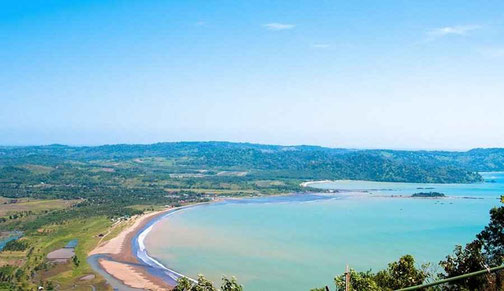
Attractions include Curug Cimarinjung, a tall waterfall framed by orange-brown rock walls, and the panoramic viewpoint at Puncak Darma, where visitors can see the horseshoe-shaped bay stretching into the distance.
The area’s geological formations are millions of years old, offering insight into Java’s tectonic past.
Despite its impressive scale, Ciletuh remains quiet and undeveloped compared to other famous destinations.
Visitors can explore villages, beaches, jungle trails, and cliffs at their own pace, making it perfect for adventure lovers who enjoy dramatic scenery away from the crowds.

Have more tips or suggestions?
Let us know in the comments below and help other visitors discover even more great places and experiences.