
central java touristic destinations
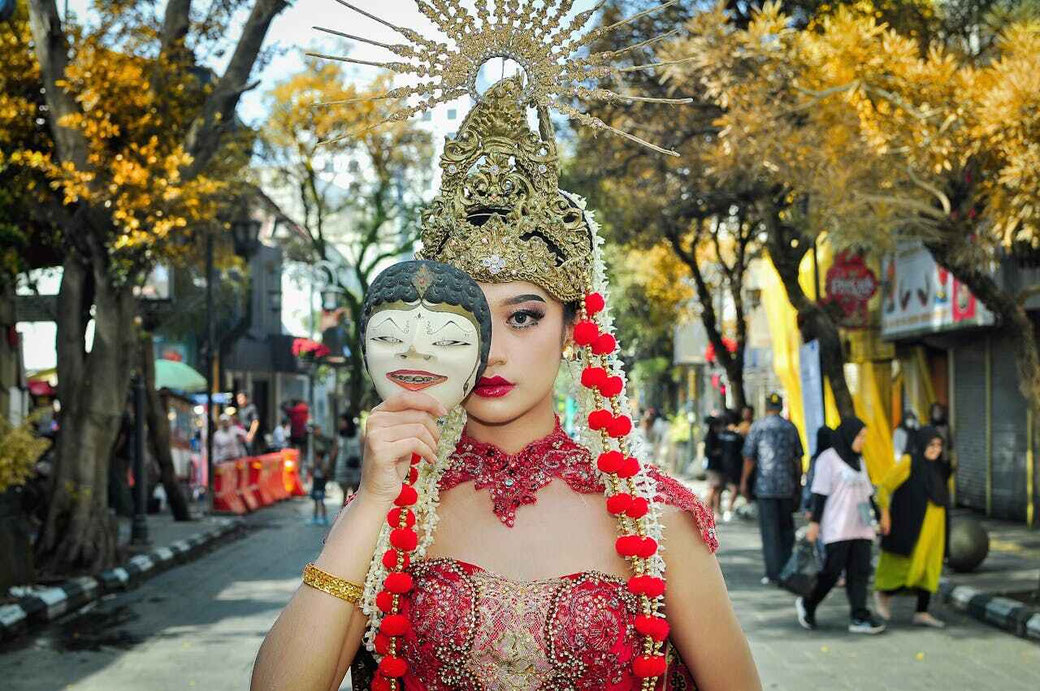
Central Java is a region where ancient culture, spiritual heritage, and dramatic landscapes come together. Home to iconic temples such as Borobudur and Prambanan, the area also features serene highlands, volcanic peaks, traditional crafts, and lively local markets. Beyond the famous sites, Central Java hides many lesser-known destinations that offer quiet beauty and authentic experiences far from the crowds. Below you will find a curated mix of popular attractions and off-the-beaten-path gems—perfect for travelers seeking both history and adventure in one of Indonesia’s most culturally rich provinces.
Borobudur Temple (Magelang)
Iconic Cultural Heritage
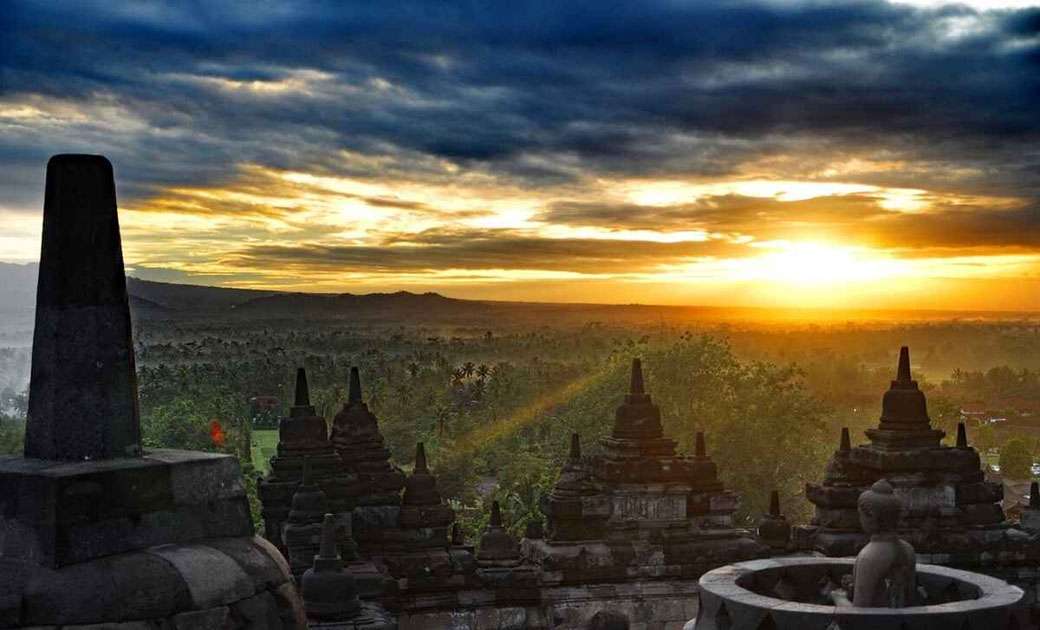
Borobudur is without doubt the most famous landmark in Central Java, yet its atmosphere still manages to feel surprisingly serene, especially at sunrise when mist drifts through the surrounding hills.
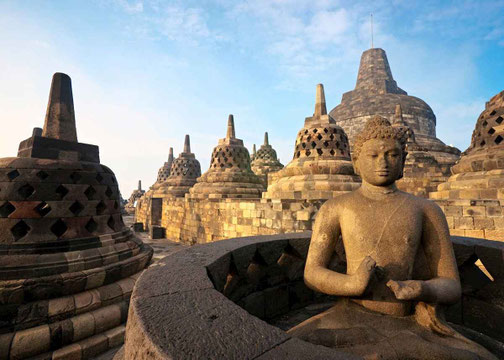
Built in the 9th century during the Syailendra Dynasty, this massive Buddhist monument is the largest of its kind in the world and a masterpiece of ancient Javanese architecture.
Its nine stacked platforms, crowned by a large central stupa, are covered in more than 2.600 relief panels depicting stories from Buddhist teachings, daily life, and ancient Javanese culture.
Beyond its scale, Borobudur’s beauty lies in the details: the expressive carvings, the symmetry, and the panoramic view over lush rice fields and Mount Merapi on clear mornings. Many visitors walk the monument in a clockwise motion, following the traditional path symbolizing the Buddhist journey from desire into enlightenment.
While Borobudur is well known, few visitors take the time to explore the smaller temples in the surrounding area, the quiet villages, or the archaeological museum nearby. These lesser-seen aspects make the region more than just a quick stop and offer travelers a deeper appreciation for Java’s historical richness.

Karimunjawa Islands
Pristine Paradise Far from the Crowds
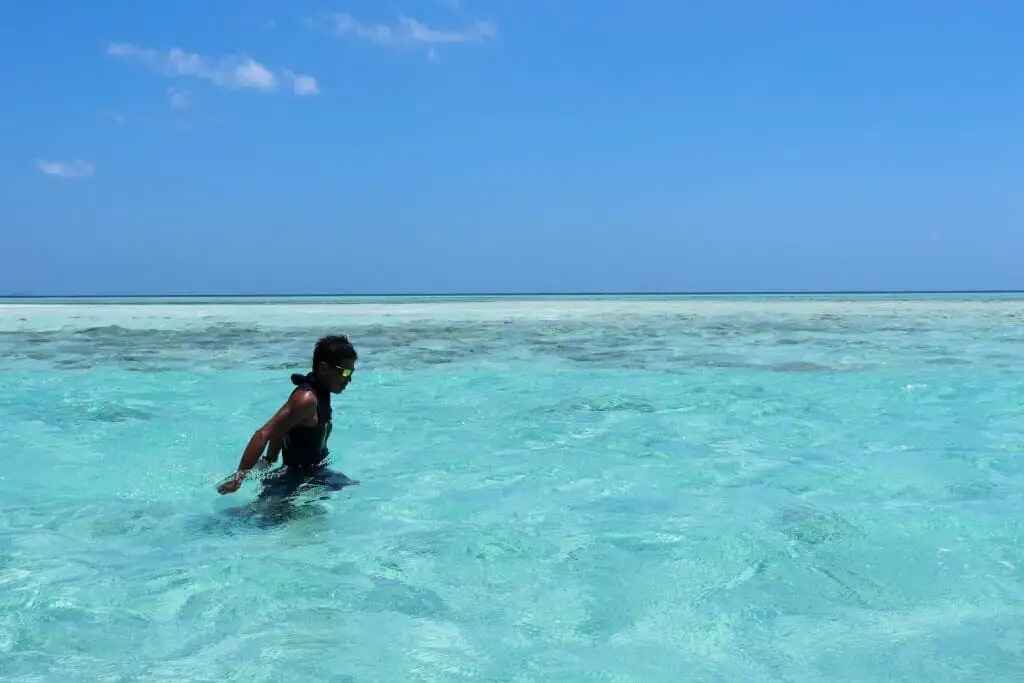
Located north of Java’s coast, the Karimunjawa archipelago is a tropical marine park made up of more than two dozen islands, many of them uninhabited.
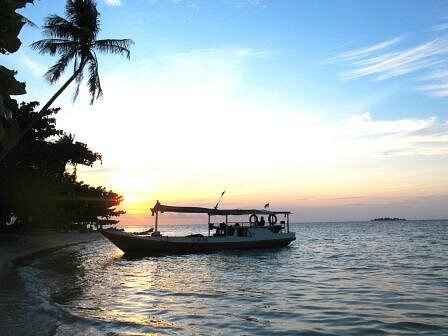
Although increasingly known among adventurous travelers, it remains far quieter than Bali or the Gili Islands, making it a perfect choice for visitors seeking untouched beaches and crystal-clear waters.
Coral reefs flourish here, creating excellent conditions for snorkeling and diving. Turtles, reef sharks, and vibrant fish species are commonly seen, often just a few meters from shore.
The islands offer a relaxed, simple lifestyle with small guesthouses, local seafood restaurants, and empty stretches of white sand. Visitors can island-hop, trek through mangrove forests, or enjoy panoramic viewpoints overlooking the turquoise sea.
Evening life is calm and authentic, with fishermen returning from the ocean and locals grilling fresh fish at small warungs.
Because the islands remain relatively remote, travelers often feel like they’ve discovered a hidden corner of Indonesia — a place where nature is still the main attraction and mass tourism feels far away.

Dieng Plateau
Mystical Highlands Above the Clouds

The Dieng Plateau sits high in the mountains of Central Java, often wrapped in cool mist and dramatic shifting clouds.
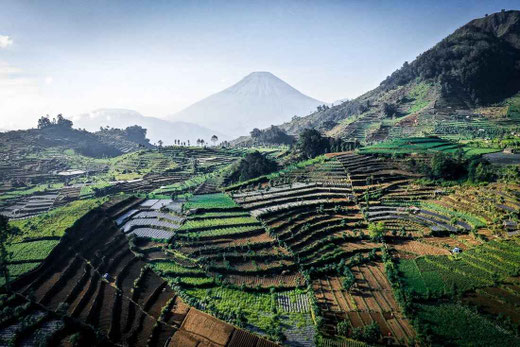
This volcanic plateau is full of unusual landscapes: colorful crater lakes, steaming geothermal vents, bubbling mud pools, and ancient Hindu temples scattered across green valleys.
The unique climate gives the area an otherworldly atmosphere, especially at sunrise when the first light reveals rolling hills, terraced farmlands, and golden reflections on Lake Telaga Warna.
Dieng’s cultural heritage is equally fascinating. It is home to the oldest Hindu temple structures in Java, dating back to the 7th–8th century. .
Local traditions, such as the annual dreadlock-hair cutting ceremony of Dieng children, connect visitors with the region’s deep spiritual roots.
Because the area is cooler than most of Java, it is ideal for long walks through potato fields, highland villages, and viewpoints like Batu Pandang. D
espite its beauty, Dieng remains less visited than larger destinations, which helps maintain its peaceful and mystical charm.
Semarang Old Town (Kota Lama)
Dutch Colonial Charm

Kota Lama is one of the best-preserved colonial districts in Indonesia, offering visitors an immersive glimpse into Semarang’s mercantile past. Once an important Dutch trading hub, the neighborhood still reflects the atmosphere of the 18th and 19th centuries, when warehouses, banks, and administrative offices formed the beating heart of the port city.

Cobblestone streets, restored 19th-century buildings, and impressive European-style architecture create a distinctive atmosphere rarely found elsewhere in Java.
The iconic Blenduk Church, with its round copper dome and neoclassical façade, stands as the district’s unmistakable landmark.
Many of the surrounding buildings — former trading houses, old post offices, and colonial mansions — now serve new purposes while maintaining their historical charm.
In recent years, the city has invested heavily in revitalizing the district, adding pedestrian zones, modern lighting, cafés, boutique galleries, and stylish photo spots. Despite these updates, Kota Lama has retained its authenticity. The area still features weathered facades, Chinese-influenced shophouses, narrow alleyways, and remnants of the old Dutch canal system that once protected the city from flooding.
Visitors can explore a wide variety of attractions: small museums detailing Semarang’s multicultural history, antique shops filled with vintage treasures, artisan boutiques, and art installations placed throughout the streets.
Many buildings host creative spaces, community art events, and independent exhibitions, making the district a cultural hotspot for both locals and tourists.
The culinary scene is another highlight. Traditional coffee shops, modern roasteries, and fusion eateries line the streets, offering everything from local Javanese snacks to international dishes. Sampling a cup of kopi susu or enjoying a leisurely brunch in a restored colonial warehouse is part of the Kota Lama experience.

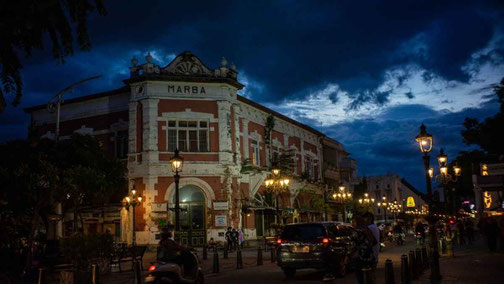
As the sun sets, the district becomes even more atmospheric. Decorative street lighting illuminates old windows and arcades, street performers gather on the corners, and local families and young people stroll through the squares. The reflective glow of the buildings creates a warm, cinematic feel, making evening walks especially memorable.
Kota Lama is a perfect stop for travelers who enjoy history, architecture, cultural photography, and charming city walks. With its blend of colonial heritage, modern creativity, and living urban culture, it remains one of Semarang’s most captivating districts — a place where the past and present beautifully coexist.
Sukuh Temple
The “Erotic Temple” on the Slopes of Mount Lawu
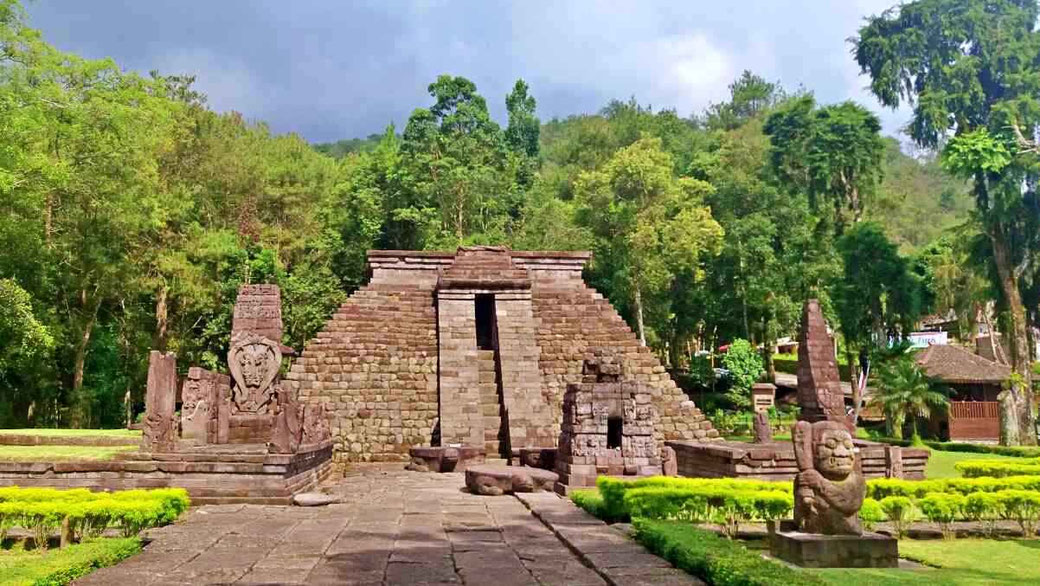
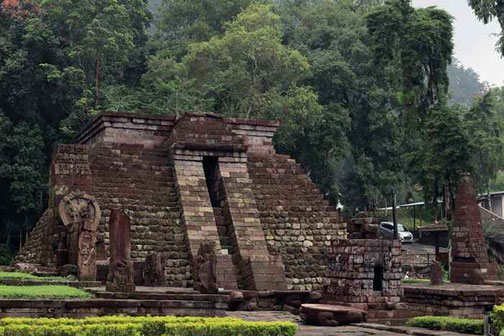
Sukuh Temple is one of Java’s most unusual ancient sites — far different from the refined Hindu and Buddhist temples found elsewhere. Located on the western slope of Mount Lawu, the 15th-century temple features stepped pyramids reminiscent of Mesoamerican structures, and carvings that openly depict fertility themes.
This distinctive style has puzzled historians for decades, making it one of the most intriguing archaeological sites in Indonesia.
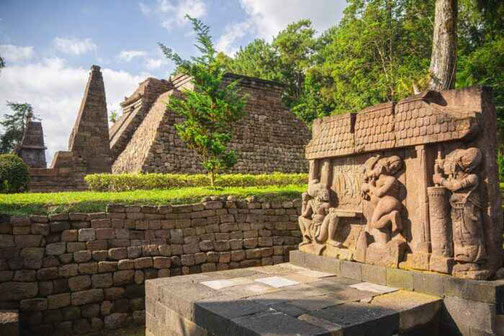
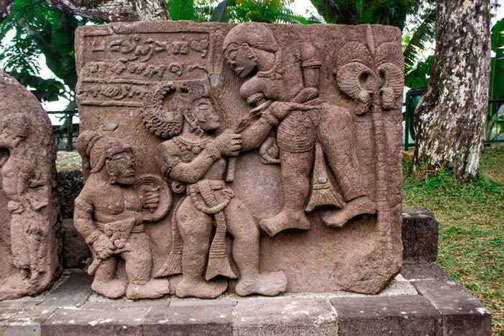
Its remote location adds to the experience: cool mountain air, pine forests, and sweeping views combine to create a peaceful atmosphere that feels worlds away from the busy cities below.
The temple’s symbolism revolves around creation, fertility, and spiritual purification, offering a rare insight into late-Hindu Javanese beliefs before the rise of Islam in the region.
Very few tourists visit Sukuh compared to more famous temples, giving travelers ample time to explore quietly, take photos, and absorb the unusual character of the site. For history lovers or those who enjoy unusual destinations, Sukuh is a must-see in Central Java.
Prambanan Temple
Majestic Hindu Masterpiece
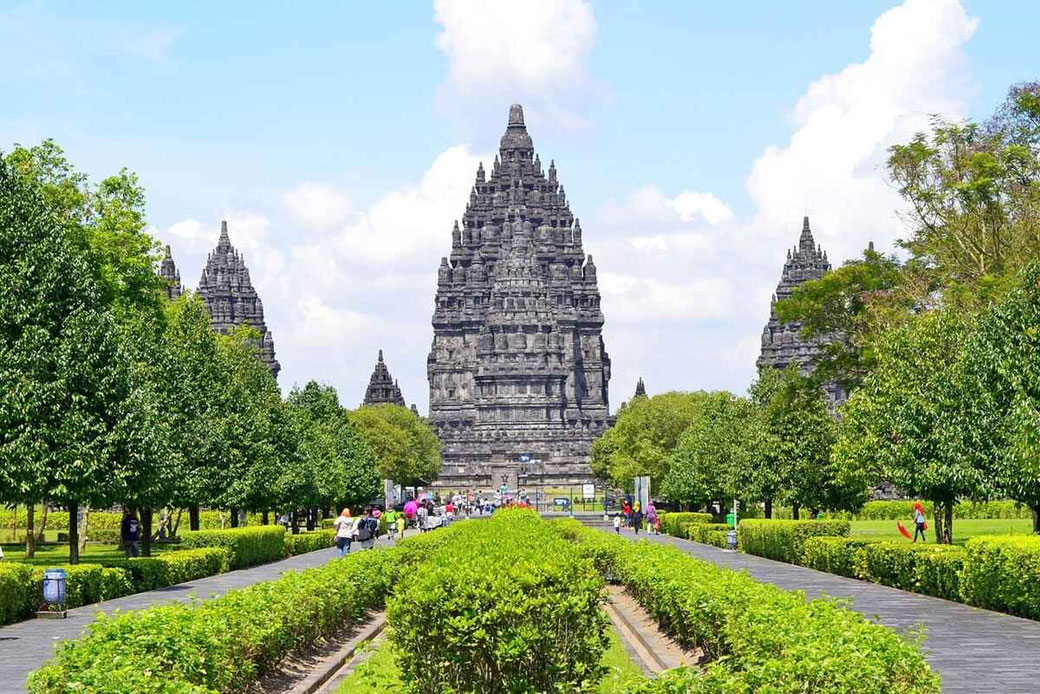
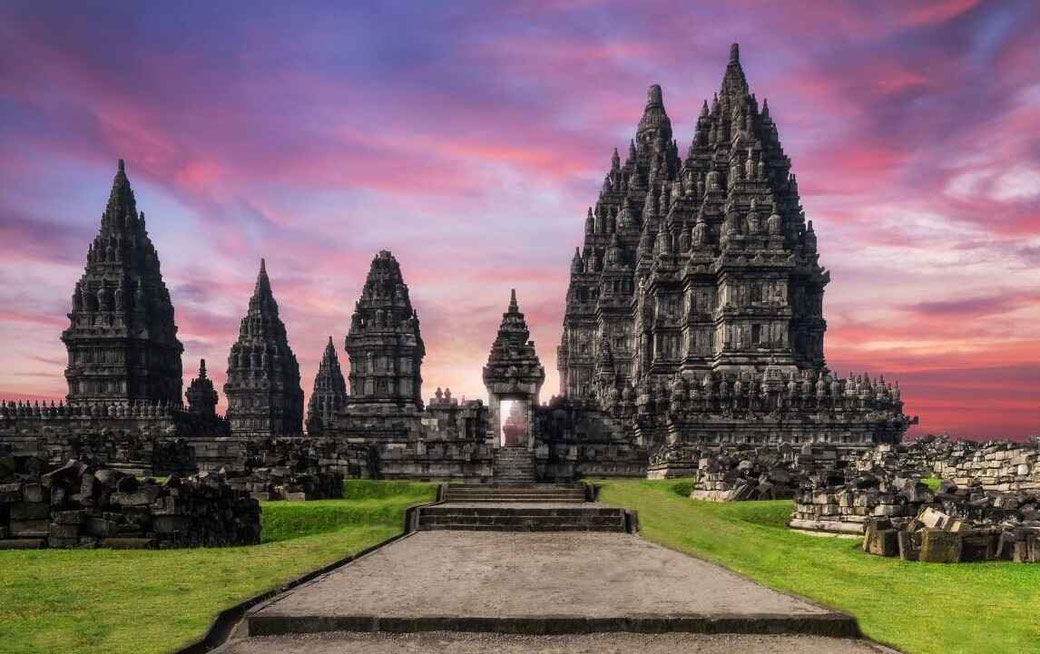
Prambanan, a UNESCO World Heritage Site, is the largest Hindu temple complex in Indonesia and one of the most impressive architectural achievements in Southeast Asia.
Built in the 9th century, the site consists of tall, elegant stone spires dedicated primarily to the Hindu Trimurti: Brahma, Vishnu, and Shiva. The towering central temple of Shiva rises 47 meters high and features intricate relief carvings that recount scenes from the Ramayana.

While Prambanan is a well-known destination, the complex extends far beyond the main temples. Many visitors overlook the smaller shrines and the quieter areas with lush grass fields and views of Mount Merapi.
The atmosphere around sunset is especially magical, as the temples glow in warm golden light.
Nearby, the open-air Ramayana Ballet performance provides a spectacular cultural addition to the visit, combining traditional dance, fire performances, and live gamelan music with the illuminated temples as a backdrop.
Even for those who have visited before, Prambanan always seems to reveal new details and layers of history upon each return.
Rawa Pening Lake
Scenic Water Views and Floating Villages



Rawa Pening is a peaceful freshwater lake located between Ambarawa and Salatiga, surrounded by low-lying mountains and lush agricultural fields.
While it is not widely known among international visitors, the lake has long been appreciated by locals for its tranquil ambience and beautiful sunsets.
Floating vegetation and traditional wooden fishing boats create a picturesque landscape, especially early in the morning when mist rises from the water.
Visitors can take a simple boat tour operated by local fishermen to explore the floating wetlands and see the daily life of villagers who depend on the lake for their livelihoods.
The nearby Kampoeng Rawa area offers restaurants built on wooden platforms above the water, providing panoramic views of the lake and surrounding mountains.
With a calm, rural atmosphere and excellent photographic potential, Rawa Pening is a refreshing escape from the busier tourist areas of Central Java.
Gedong Songo Temple Complex
Highland Trails and Hot Springs


Situated on the slopes of Mount Ungaran, the Gedong Songo Temple Complex consists of nine small Hindu temples scattered across the hills at varying elevations.
This layout makes it one of the most scenic archaeological sites in Java.
Visitors follow winding mountain paths that reveal temples one by one, each framed by pine forests, rolling hills, and distant volcanic peaks.
The cool mountain climate makes walking between the temples pleasant, and horseback riding is also available for those who prefer a different experience.
Near one of the temples, a geothermal spring provides natural warm air vents — a reminder of the region’s volcanic origins.
The site offers a quieter and more intimate experience compared to larger temple complexes, with far fewer tourists and stunning views that make the journey between each temple just as enjoyable as the temples themselves.
On clear days, the panorama includes Mount Merbabu, Mount Merapi, and the Ambarawa valley below.
Lasem Heritage Town
The Little China of Java
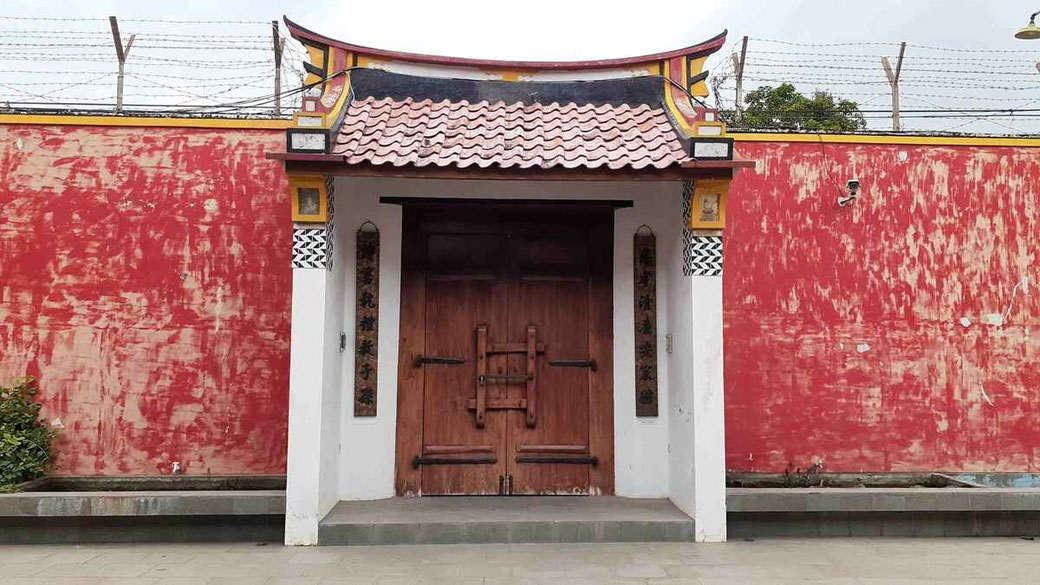

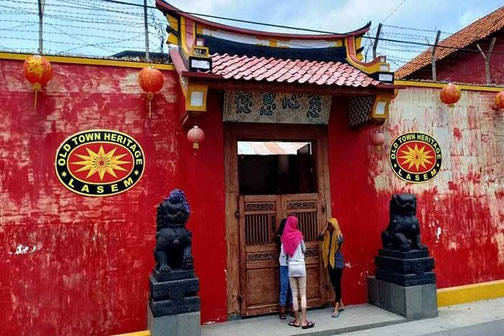
Lasem, located on the northern coast of Central Java, is one of the most historically rich yet overlooked towns on the island.
Known as “Little China of Java,” Lasem has had strong Chinese cultural influence since the Majapahit era, later strengthened by centuries of trade and immigration. The result is a charming town filled with centuries-old Chinese mansions, hidden courtyards, colorful temples, and batik workshops known for their distinctive red-dominated patterns.
Walking through Lasem feels like stepping back in time — narrow streets lined with traditional shophouses, old Chinese gates, and ancestral halls still used by the local community.
Visitors can explore centuries-old temples such as Cu An Kiong, stroll through beautifully decaying colonial buildings, and learn about Lasem’s unique batik tradition, which blends Javanese and Chinese motifs.
With a tranquil atmosphere, friendly locals, and a cultural heritage that feels largely undiscovered, Lasem is a true hidden gem of Central Java.

Mount Merbabu National Park
Gentle Volcano with Panoramic Trails

While nearby Mount Merapi is famous for its active eruptions, Mount Merbabu offers a very different experience: calm, green, and ideal for trekking.

Popular among local hikers but far less known internationally, Merbabu features long, gentle slopes covered with savannah fields, pine forests, and vibrant wildflowers.
The trek to the summit is demanding but rewarding.
As hikers climb higher, the views gradually open to reveal a spectacular panorama of surrounding volcanoes, including Merapi, Sumbing, Sindoro, and Ungaran.
At sunrise, clouds drift through the valleys while the peaks rise above them in dramatic silhouette.
Wildlife enthusiasts may spot native birds, monkeys, and unique highland plants along the trail.
Unlike more dangerous volcanoes, Merbabu feels approachable and peaceful, making it ideal for adventurous travelers who want a memorable yet less crowded mountain trek in Java.
Have more tips or suggestions?
Let us know in the comments below and help other visitors discover even more great places and experiences.