
Introduction to the Myths & Legends of central Java
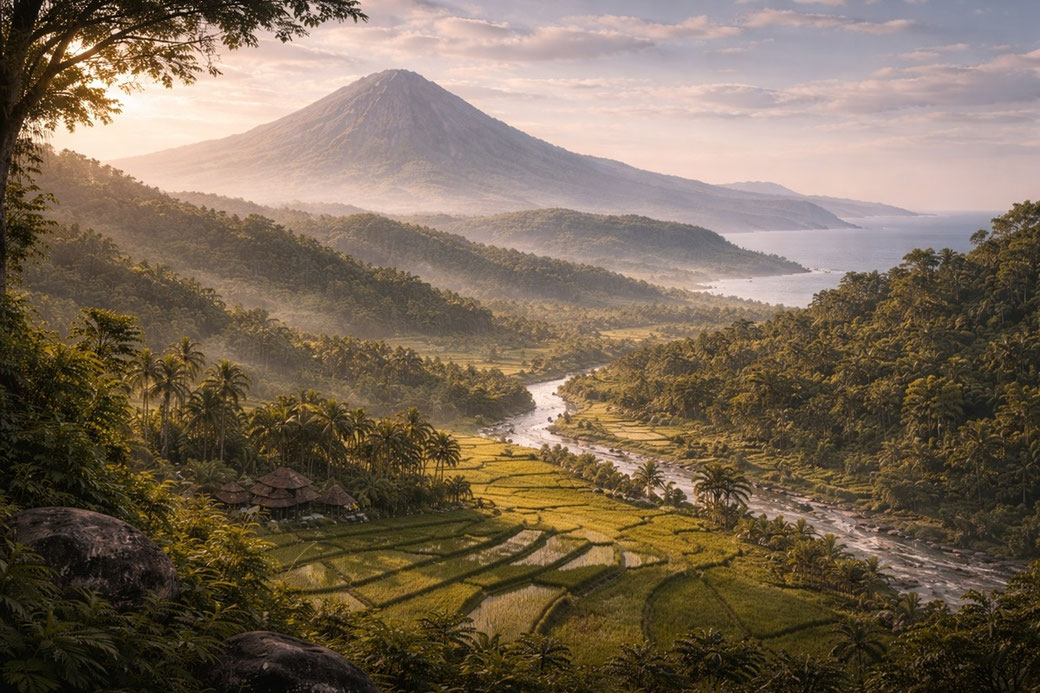
Central Java is the cultural heartland of the island — a place where ancient kingdoms rose, Hindu-Buddhist temples flourished, and courtly traditions shaped centuries of myth-making. Here, legend blends seamlessly with history. Sacred mountains, royal palaces, and temple complexes like Borobudur and Prambanan still whisper stories of gods, heroes, and tragic love.
The myths of Central Java tend to be grand, dramatic, and deeply symbolic. Unlike the soft pastoral tone of Sundanese folklore in the west, Central Java’s narratives often revolve around cosmic balance, divine destiny, royal lineage, and the eternal struggle between darkness and light. These stories were shaped in the courts of Yogyakarta and Surakarta, performed through shadow-puppet theatre (Wayang Kulit) and preserved in ancient epics passed down through generations.
Below you will find ten defining legends from Central Java, each rooted in the region’s majestic landscapes and royal heritage.
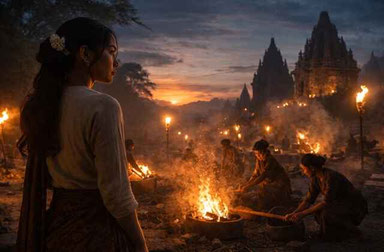
Roro Jonggrang & the Thousand Temples
The legend of Roro Jonggrang tells the tragic origin of the thousand temples of Central Java. Blending love, betrayal, and supernatural power, this story explains the creation of Prambanan and reflects the deep connection between Javanese mythology and sacred architecture.

Nyai Roro Kidul
The Queen and the Mataram Kings
Nyai Roro Kidul, the Queen of the Southern Sea, is one of Java’s most enduring mythological figures. Closely connected to the Mataram kings, she symbolizes spiritual authority, royal legitimacy, and the bond between rulers and the unseen world.

The Guardians of Mount Merapi
Mount Merapi is not merely a volcano but a sacred realm guarded by unseen forces. In Javanese belief, powerful spiritual guardians maintain balance between humans, nature, and the royal courts, ensuring that Merapi’s destructive power remains in harmony with the island’s spiritual order.
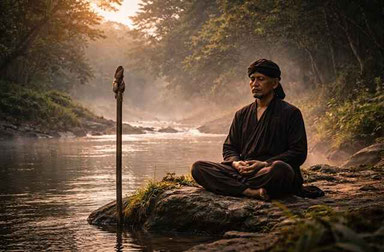
Sunan Kalijaga – The Mystical Saint
Sunan Kalijaga is remembered as the most mystical of Java’s Islamic saints. Known for blending spiritual wisdom with Javanese tradition, he transformed society not through force, but through patience, art, and deep understanding of the human soul.
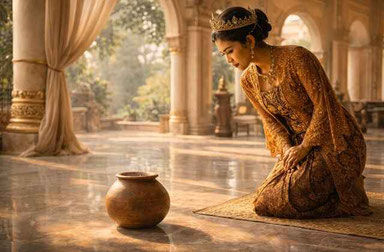
Joko Kendil – The Clay-Born Hero
The legend of Joko Kendil tells the story of a mysterious boy born from clay, rejected for his appearance yet destined for greatness.
It is a powerful Javanese tale about humility, inner worth, and the illusion of outward beauty.
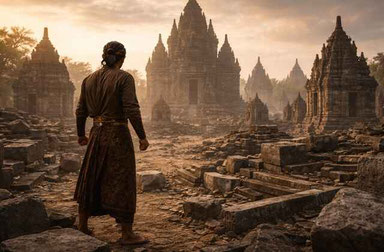
The Legend of Sewu Temple
The Legend of Sewu Temple explains the mysterious origins of one of Central Java’s largest ancient temple complexes. Closely linked to betrayal, supernatural power, and unfinished ambition, the story reveals why “a thousand temples” were never truly completed.

Kyai Semar & the Menoreh Hills
Kyai Semar is one of the most revered and mysterious figures in Javanese mythology. In the hills of Menoreh, he appears not as a god or king, but as a humble guardian whose wisdom guides rulers, protects the land, and maintains spiritual balance.

Dewi Lanjar of Pekalongan
Dewi Lanjar is a coastal spirit from Pekalongan whose legend tells of grief, devotion, and transformation. Once a noblewoman marked by loss, she became a powerful guardian of the northern sea, blending tragedy with spiritual strength in Central Javanese folklore.

The Lost Kingdom of Mataram
The Lost Kingdom of Mataram tells the story of a once-powerful Javanese kingdom that vanished from the landscape but not from memory. Through myth, spirituality, and sacred geography, the legend explains how power, balance, and fate shaped Central Java’s royal past.

The Crying Stones of Ambarawa
The Crying Stones of Ambarawa is a Javanese moral legend about disobedience, pride, and regret. It tells how a young woman’s cruelty toward her mother led to a supernatural punishment, leaving behind stones said to weep for her lost humanity.