
The Crying Stones of Ambarawa
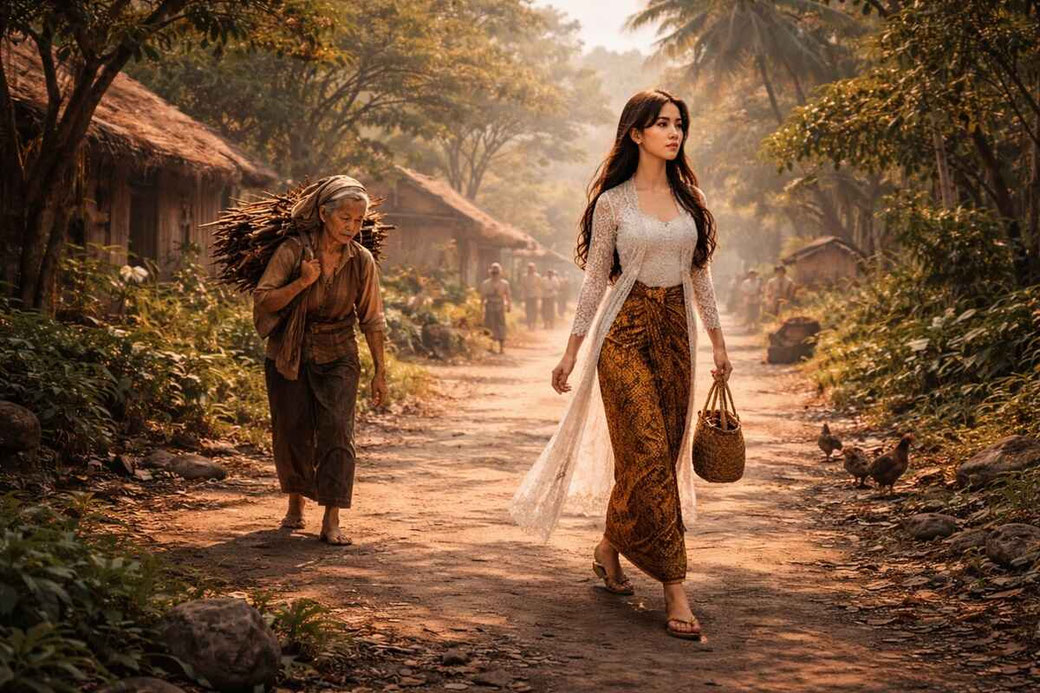
In the hills near Ambarawa, Central Java, villagers once spoke of a young woman whose beauty was matched only by her arrogance. She lived with her widowed mother in a modest home, relying entirely on the old woman’s labor and devotion.
As the daughter grew older, her pride grew with her. She despised poverty and resented her mother’s worn clothes and tired appearance. Whenever they walked through the village together, the daughter walked ahead, pretending not to know the woman who followed.
When villagers asked about the old woman, the daughter coldly replied that she was only a servant.
Her mother never protested. She continued to work, cook, and care for her daughter in silence, believing patience would soften her child’s heart.
One day, while traveling through the countryside, the daughter again denied her mother publicly. This time, the humiliation cut deeper. Overwhelmed by grief, the mother whispered a quiet prayer — not for revenge, but for justice.
The earth answered.
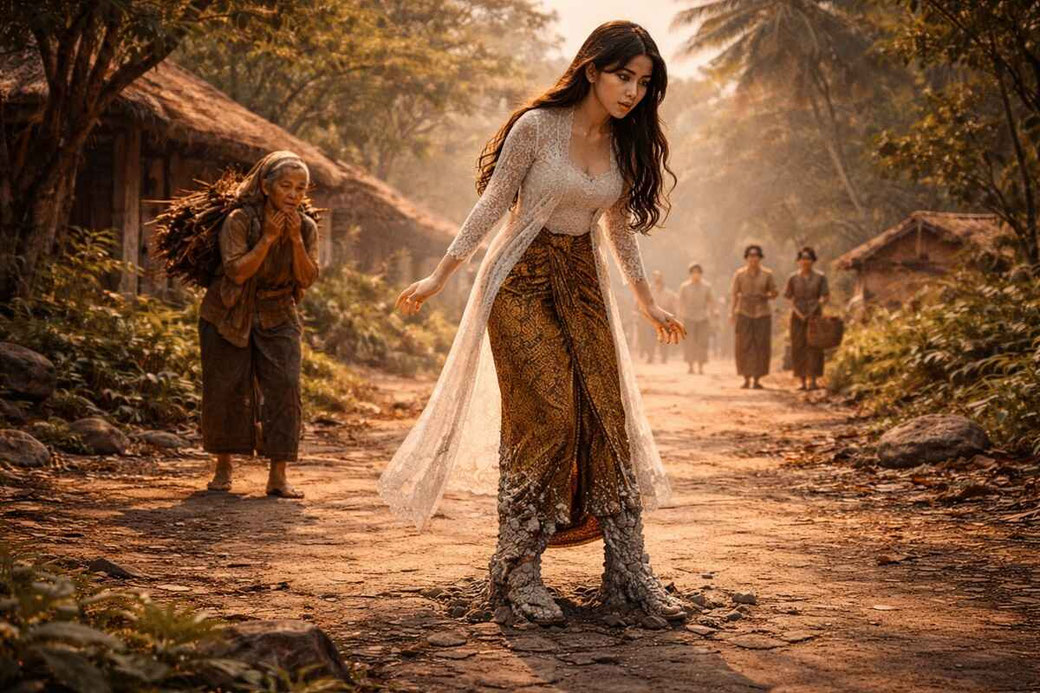
Suddenly, the daughter’s feet grew heavy. Her body stiffened. Fear replaced pride as she cried out for help, but it was too late. Before her mother’s eyes, the daughter turned to stone.
Legend says that even after her transformation, tears continued to fall from the stone figure. The villagers named it the Crying Stone, believing it wept eternally for regret realized too late.
The mother, heartbroken, remained beside the stone until her death. Over time, the story spread, and the stones near Ambarawa became symbols of remorse, warning future generations against arrogance and disrespect.
To this day, people say that on quiet mornings, the stones appear damp — as if still mourning the loss of a human heart hardened by pride.
additional information (Factual Background)
Moral Storytelling in Javanese Tradition
The Crying Stones legend belongs to a broader category of Javanese moral tales that emphasize respect for parents, humility, and social harmony.
Ambarawa and Local Folklore
Ambarawa’s hills and rural landscape provide a fitting setting for stories tied to everyday village life. The legend is closely associated with local oral tradition rather than royal or religious institutions.
Symbolism of Stone
In Javanese belief, transformation into stone often represents spiritual stagnation — a soul frozen by moral failure rather than physical punishment alone.
Connection to Wider Indonesian Folklore
Similar stories appear across Indonesia, each adapted to local values. The Ambarawa version emphasizes quiet regret rather than dramatic judgment.
Regional Variations Across Java
While Central Java’s version centers on patience and silent suffering, similar legends elsewhere highlight anger or divine intervention more explicitly. These variations reflect regional attitudes toward discipline, compassion, and moral responsibility.
