
east java touristic destinations
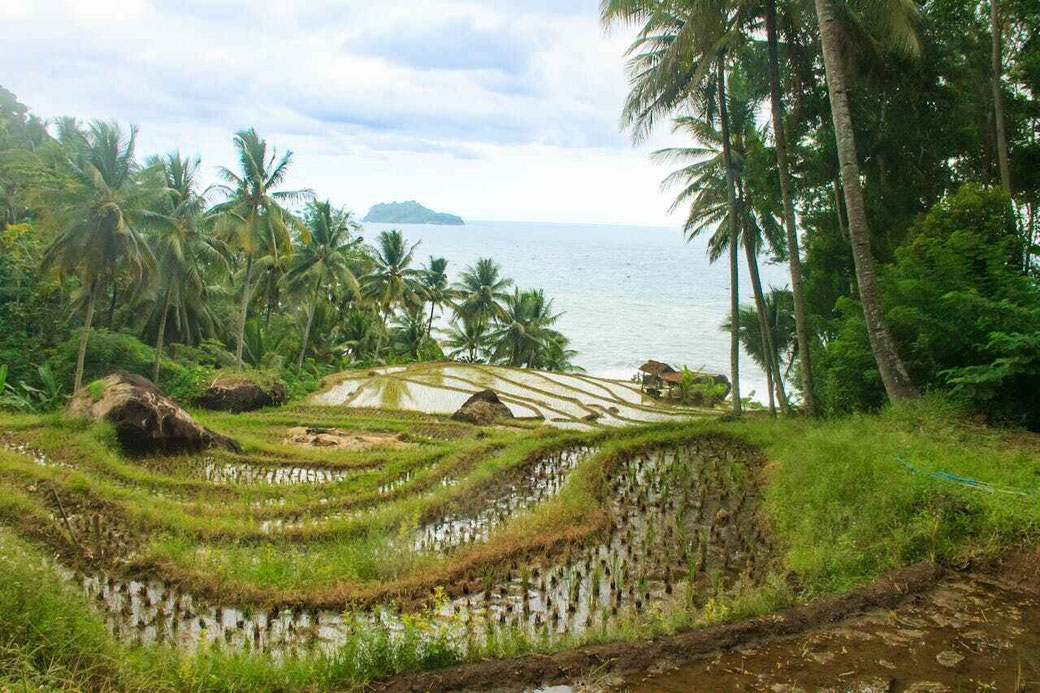
Pantai Prigi (Trenggalek)
A Quiet Curved Bay with Local Character


Pantai Prigi is a graceful, horseshoe-shaped bay on the southern coast of Trenggalek Regency.
Unlike busier resort beaches, Prigi retains a calm, everyday fishing-town atmosphere that makes it especially appealing for travelers seeking authenticity and gentle coastal beauty. Small fishing boats line the shore, and local fish markets and warung stalls provide fresh seafood and simple meals served with ocean views.
The bay’s calm waters safely accommodate swimming in many areas, while nearby rocky headlands and small coves invite short walks and photography.


Because Prigi is primarily known among Javanese visitors, foreign travelers often find the setting pleasantly quiet.
The surrounding hills and plantations create a green backdrop that contrasts with the blue of the sea and the pale curve of the sand.
Cultural aspects — from fishermen’s daily routines to seasonal festivals — add depth to the visit, offering chances to witness local life rather than staged tourist performances.
For those exploring East Java’s southern coastline, Pantai Prigi is a gentle, restorative stop — a place to slow down, enjoy fresh seafood, and watch local life unfold by the water.
Penataran Temple Complex
Majapahit-Era Heritage (Blitar)
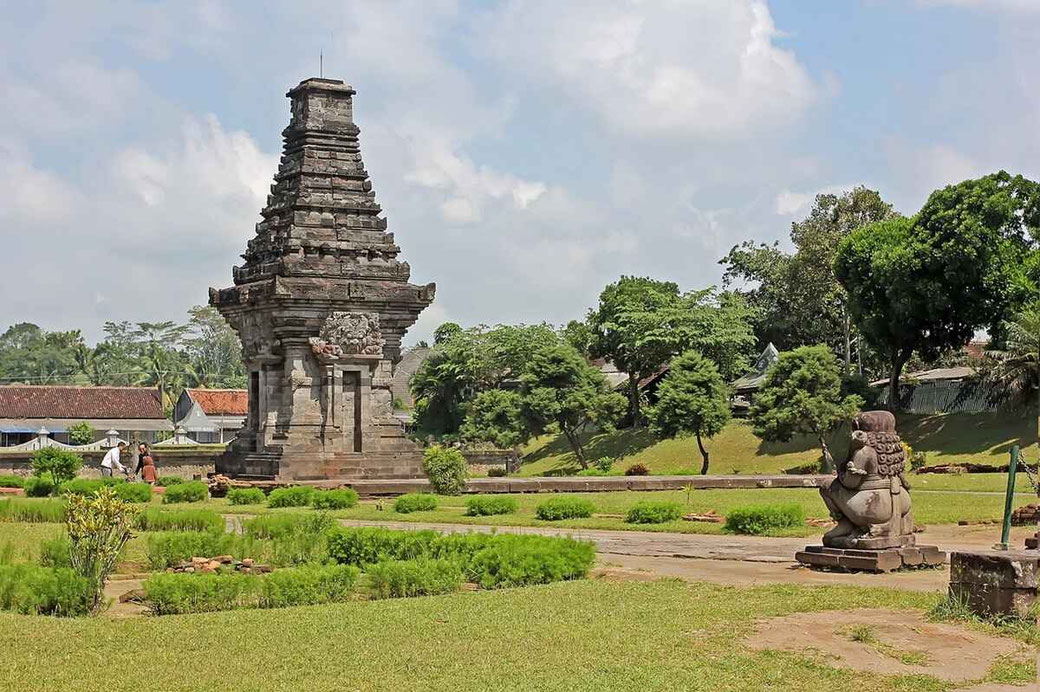
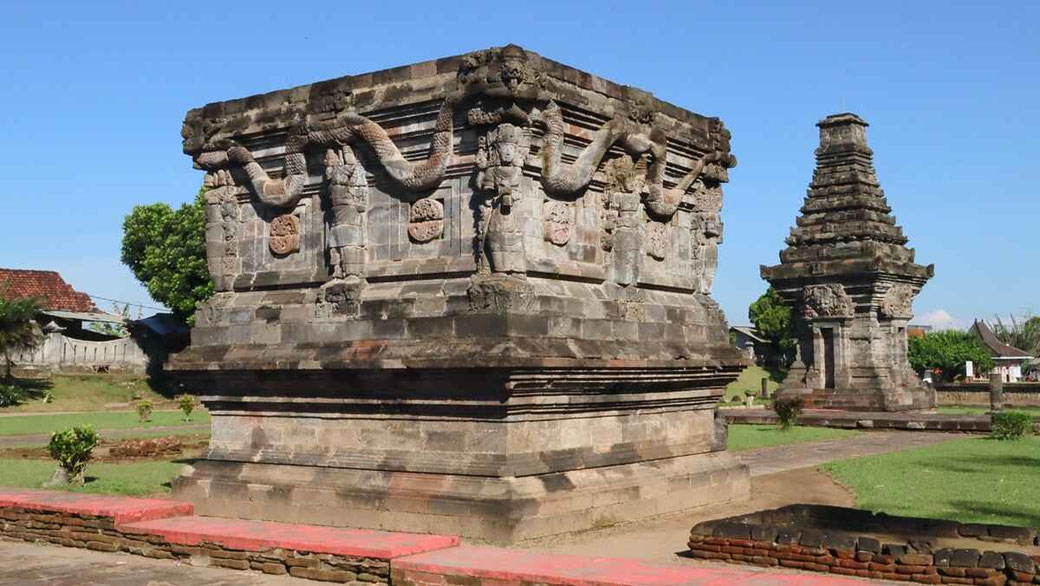
Candi Penataran is the largest and most impressive surviving temple complex from the Majapahit Empire, Indonesia’s last great Hindu-Buddhist kingdom.
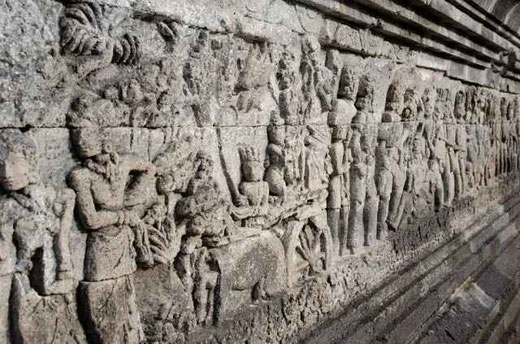
Located near Blitar, the site features a beautifully preserved series of courtyards, shrines, and intricately carved reliefs that offer a glimpse into Java’s pre-Islamic classical culture. The main temple’s stepped base and sculptural panels depict legends such as the Ramayana, skillfully carved with expressive detail despite centuries of weathering.
Unlike more famous temples such as Borobudur and Prambanan, Penataran is rarely crowded, allowing visitors to explore its expansive grounds at a relaxed pace. Stone pathways connect the various structures, while shaded gardens and tall trees create a tranquil, contemplative atmosphere. The central shrine, with its multi-tiered design, reveals a distinctive architectural style that blends Javanese and Hindu influences unique to the Majapahit era.
Penataran also carries significant historical weight, having been visited and restored by King Hayam Wuruk during the height of Majapahit power.
Today, its peaceful setting, combined with its artistic and cultural richness, makes it one of East Java’s most rewarding archaeological sites — ideal for travellers seeking depth, history, and a sense of walking through the pages of Java’s classical past.
Pulau Merah (Red Island)
A Vibrant Coastal Escape of Sunsets, Surf, and Tranquil Shores

Pulau Merah, located on the southwestern coast of Banyuwangi, is one of East Java’s most captivating coastal destinations—famous for its wide stretch of soft sand, gentle turquoise waves, and the small, lush hill that rises just offshore.
Its name, “Red Island,” comes from the warm reddish glow that appears during sunset, when the sky and sea blend into vibrant shades of orange, gold, and crimson, creating one of the most memorable views in the region.

Unlike some of Java’s busier beaches, Pulau Merah has a tranquil, laid-back atmosphere. The long coastline offers plenty of room for quiet walks, photography, or simply relaxing under the shade of coconut palms.
The island’s signature hill—usually accessible on foot during low tide—adds a sense of mystery and charm.
Visitors can explore tide pools, spot small marine life, and enjoy panoramic views of the surrounding ocean.
Pulau Merah is also known as an excellent surfing destination, especially for beginners and intermediate surfers. Its consistent waves attract both local and international surfers, yet the beach never feels crowded.
Small warungs line the coast, offering fresh seafood and simple Indonesian dishes, making it easy to spend the entire day here.
In the evenings, the beach transforms as fishing boats return to shore and the horizon bursts into fiery colors.
For travelers seeking a blend of beauty, serenity, and soft adventure, Pulau Merah delivers an unforgettable coastal experience, far from the usual tourist trails yet easy to reach from the main towns of East Java.

Coban Sriti Waterfall (Lumajang)
A Hidden Twin Waterfall Deep in the Jungles of Semeru
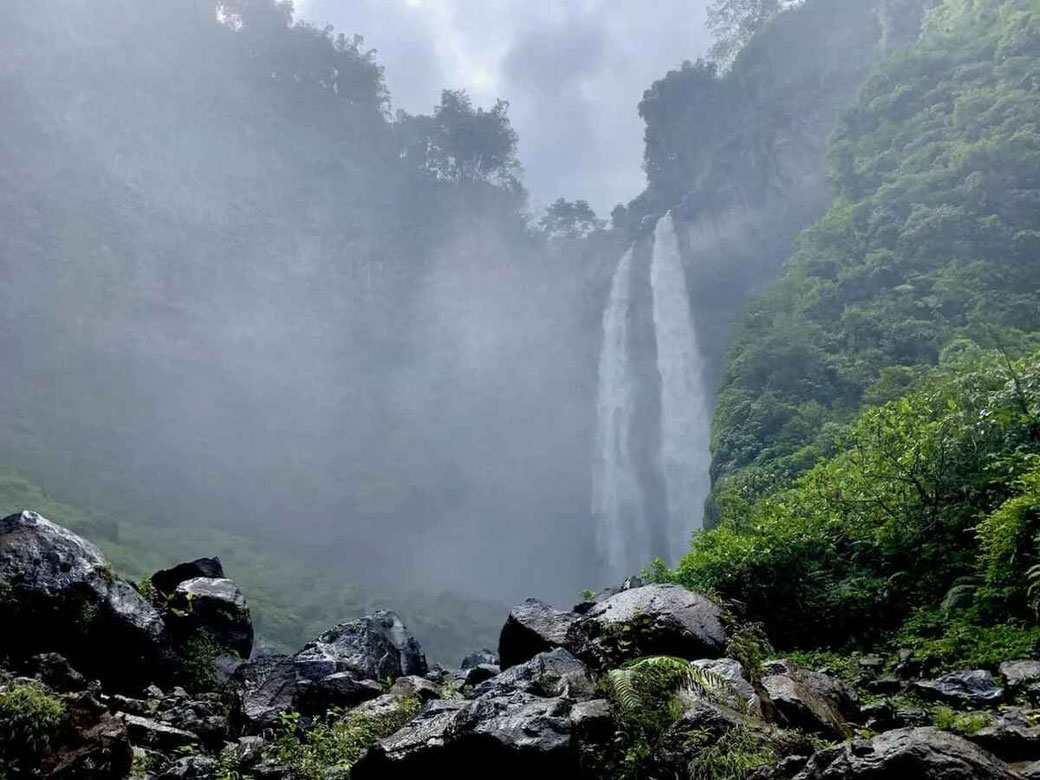
Coban Sriti is one of East Java’s most breathtaking yet least-visited natural wonders, hidden deep within the lush rainforests near Mount Semeru. Often overshadowed by nearby Tumpak Sewu, this dramatic twin waterfall offers an even more untouched atmosphere, rewarding adventurous travelers with raw, powerful beauty.

Two massive streams plunge side by side into a narrow canyon, creating a roaring mist that fills the air and paints shimmering rainbows when sunlight breaks through the canopy.
Reaching Coban Sriti requires a bit of effort—usually a combination of forest trekking, river crossings, and descending into a rocky valley—but the journey adds to its sense of exclusivity.
Along the trail, visitors walk through dense jungle, hear the distant thunder of water long before seeing it, and witness stunning views of steep cliffs carved by centuries of volcanic activity.
The approach to the falls is arguably one of the most dramatic in East Java, with the towering walls of the canyon rising sharply on both sides.
At the base, the atmosphere is almost surreal. The twin falls crash onto boulders below, sending cool spray across the valley as the surrounding rocks are coated in green moss.
Because the site is so remote, it is common to have the entire area to yourself—an increasingly rare experience in Java.
Photographers and nature lovers will find countless angles and compositions, especially when low morning light cuts through the mist.
For travelers seeking an alternative to crowded hotspots, Coban Sriti delivers a memorable off-the-beaten-path adventure—wild, majestic, and untouched by mass tourism, yet close enough to combine with other Lumajang attractions.
Museum Angkut (Malang)
A Colorful Journey Through Classic Cars, World Icons & Living History


Museum Angkut in Batu (Malang) is one of Indonesia’s most unique attractions — a vibrant blend of history, culture, entertainment, and nostalgia.
Far more than just a car museum, Museum Angkut showcases over 300 classic vehicles from around the world, ranging from vintage American convertibles and European luxury sedans to retro motorbikes and antique public transport.
Visitors walk through beautifully designed themed zones inspired by Hollywood, Europe, Gangster Town, the Wild West, Britain, and Indonesia’s own historical eras. Each area combines authentic vehicles with cinematic backdrops, creating an immersive environment perfect for photography, families, and travelers who enjoy visual storytelling.
Whether you’re a car enthusiast, a history lover, or simply looking for something different from East Java’s nature and volcanoes, Museum Angkut offers an exciting and refreshing experience. Its combination of heritage, creativity, and entertainment makes it a must-see destination during any visit to the Malang–Batu region.

Pantai Teluk Asmara
Scenic Island Views & Hidden Coves (Malang)
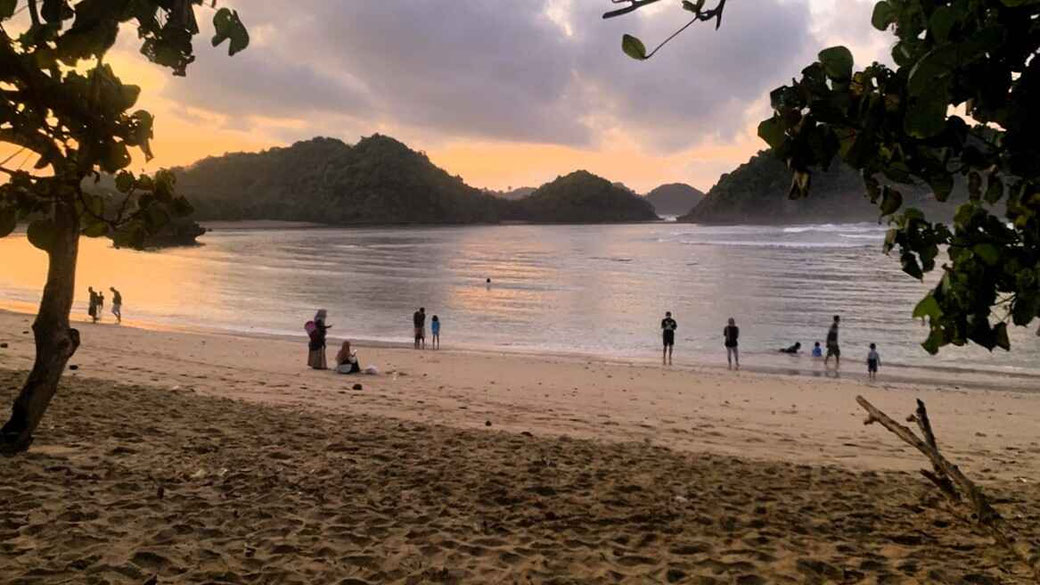
Pantai Teluk Asmara is a picture-perfect coastal destination near Malang, often compared to Raja Ampat on a smaller scale because of its cluster of small, green islands scattered across turquoise waters.
A short hike up a nearby hill reveals an unforgettable panorama of undulating islets, calm bays, and clear surf washing onto soft white sand. The beach below is sheltered and ideal for swimming, sunbathing, and relaxed picnics.
Beyond the main beach, visitors can explore secluded coves and natural rock passages that form during low tide. Coral life is visible in several shallow spots, making casual snorkeling an easy and enjoyable activity.
Despite its beauty, Teluk Asmara remains relatively quiet during weekdays, with most visitors being local families and students. Facilities are simple but adequate, and the natural setting remains largely unspoiled.
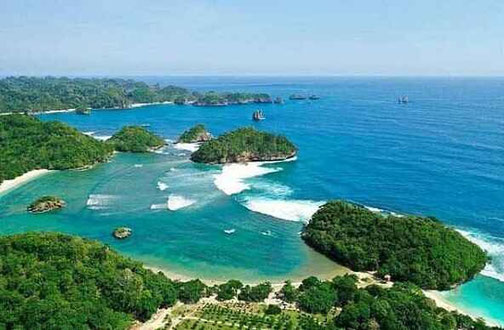

What makes Pantai Teluk Asmara particularly memorable is the combination of dramatic overhead views and tranquil shoreline experiences — a place where travelers can enjoy both sweeping landscapes and intimate coastal corners.
It’s an excellent choice for those seeking East Java’s scenic coastline without the crowds found in more commercialized beach destinations.
Alas Purwo National Park
Mysticism & Untouched Wilderness (Banyuwangi)

Alas Purwo National Park occupies a remote corner of southeast Java and is one of the island’s most mystical landscapes.
According to local belief, this ancient forest is the place where the world first emerged, giving it a deep spiritual significance intertwined with Javanese traditions. Dense jungle, savannah plains, mangrove forests, and pristine beaches form a diverse environment rich in wildlife, including deer, monkeys, wild cattle, and numerous bird species.


The highlight for many visitors is Plengkung Beach (G-Land), a world-renowned surfing destination known for its powerful left-hand waves. Surfers from around the globe travel here during peak season, yet the surrounding forest remains quiet and largely undisturbed.
Inland, traditional caves such as Goa Istana serve as meditation sites, adding a cultural layer to the park’s natural appeal.
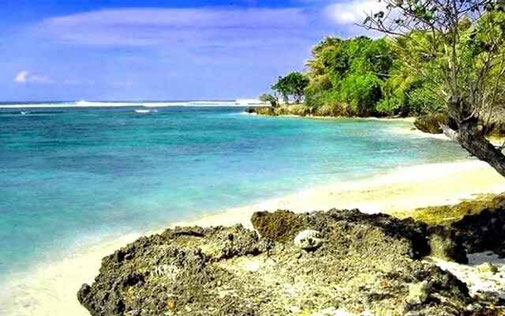

Because of its sheer size and limited development, Alas Purwo feels like stepping into an ancient world.
The experience is less about ticking off attractions and more about immersing oneself in raw nature — whether watching sunrise over empty beaches, exploring forest trails, or observing wildlife in peaceful, undisturbed surroundings.
The Waterfall Corridor of Bromo Tengger Semeru Region (Lumajang / Malang)
Where Mountains Breathe Mist and Waterfalls Carve Their Stories in Stone

While Mount Bromo is the superstar of the region, the surrounding highlands hide a series of spectacular waterfalls that many travelers overlook.
This “corridor” of falls includes cobweb-like Kabut Pelangi, tiered Kapas Biru, the tall and narrow Grojogan Pitu, and the beautifully framed Coban Sriti — each offering a unique personality within a short radius.

These waterfalls often require moderate treks along forest paths, across bamboo bridges, or down steep stairways carved into the hillside. The effort, however, is consistently rewarded with dramatic views: mist-filled gorges, lush vegetation dripping with moisture, and thunderous cascades tumbling into natural pools.
Photographers will appreciate the varied textures and lighting, especially in early morning when the sun filters through the jungle canopy.
This area is perfect for travelers who appreciate scenery as much as challenge.
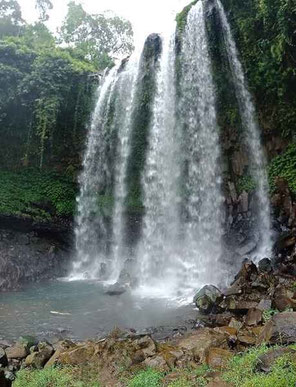
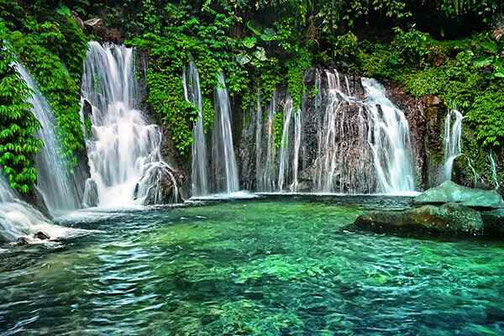
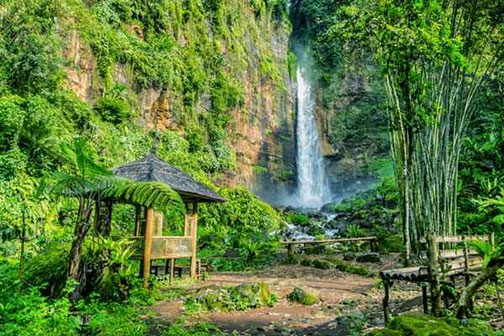
While Bromo itself attracts crowds, the waterfalls remain blissfully quiet, allowing for peaceful exploration and a sense of discovery. The corridor showcases the raw beauty of East Java beyond its volcanic icons.
Goa Lowo Trenggalek
Indonesia’s Largest Known Cave Chamber
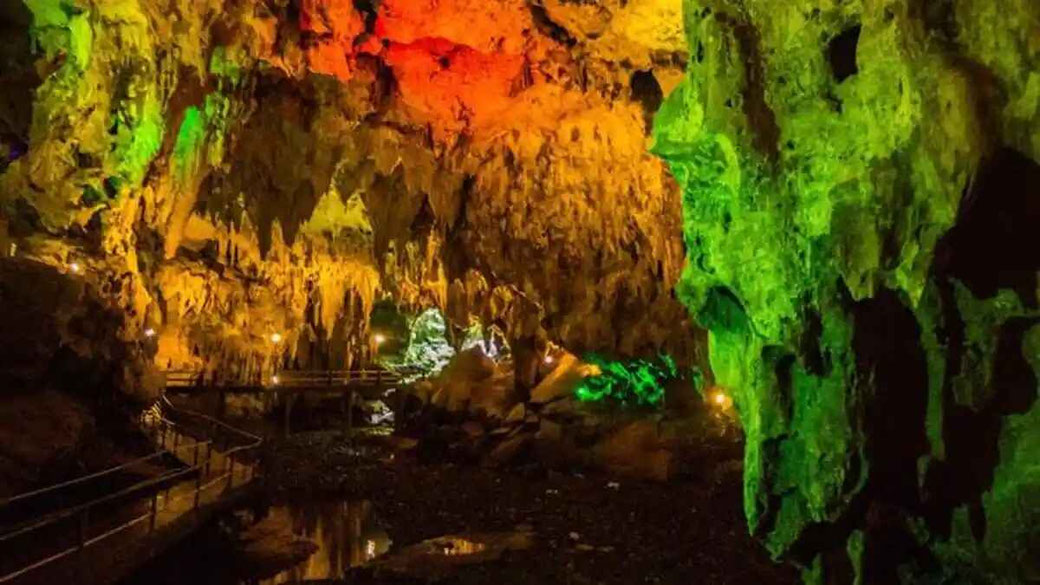
Goa Lowo, located in Trenggalek Regency, is one of Indonesia’s largest natural cave systems and offers a fascinating subterranean world for visitors. The name “Lowo” means “bat,” and small clusters of bats still inhabit the cavern’s high ceilings, although they remain undisturbed and mostly out of sight.
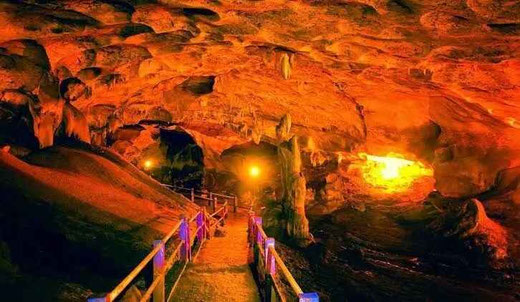
What makes this cave particularly impressive is the sheer size of its chambers — vast halls with towering ceilings, broad walkways, and rock formations shaped over millions of years.
A well-maintained pathway guides visitors through illuminated sections of the cave, revealing stalactites, stalagmites, and rippled walls formed by ancient underground rivers.
The atmosphere is cool, quiet, and otherworldly, providing a peaceful contrast to Java’s often busy surface life. Interpretive signs introduce the geological history of the cave, adding educational depth to the visit.
Despite its grandeur, Goa Lowo remains relatively low on the tourist radar, especially among international travelers. Its accessibility, size, and natural beauty make it an excellent stop for families, nature enthusiasts, and anyone curious about Java’s geological heritage.
Pantai Watu Leter
Sea Turtles & Secluded Rock Formations (Malang)
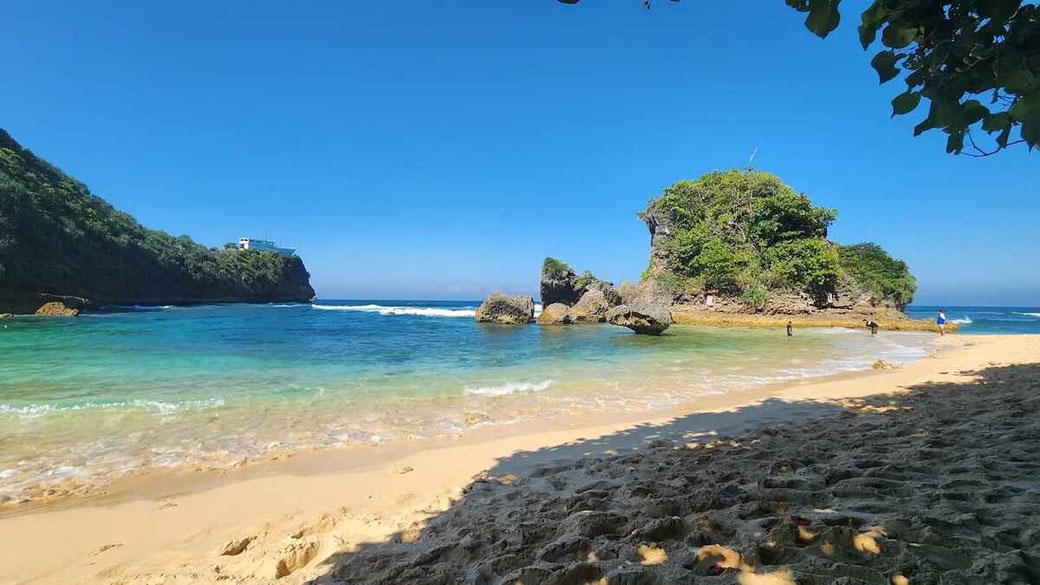
Pantai Watu Leter is a hidden coastal gem near Malang, known for its peaceful atmosphere, interesting rock formations, and conservation-focused turtle nesting program. The beach is accessed via a short trek through mangrove forest and sandy paths, which helps keep visitor numbers low and maintains the area’s serene character.


Soft waves lap against pale sand, while a distinctive set of flat rock layers — the “watu leter” — create natural platforms perfect for photography and tidepool exploration.
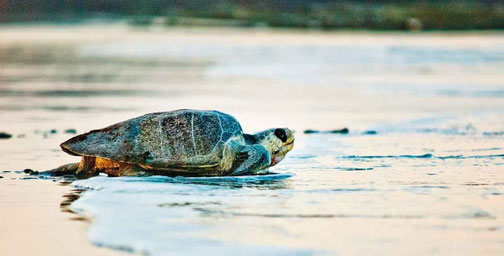
During certain seasons, the beach becomes an important nesting site for sea turtles, and local volunteers work to protect the eggs and support hatchling releases.
Visitors who arrive at the right time may witness young turtles making their first journey toward the open sea, a rare and unforgettable experience.
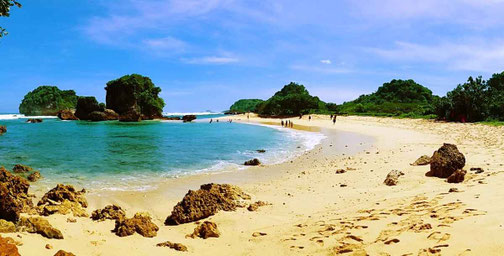
Because of its quiet setting, Pantai Watu Leter is ideal for travelers seeking a break from commercial beaches.
It combines natural beauty, ecological significance, and gentle adventure — everything that defines East Java’s quieter side.
Have more tips or suggestions?
Let us know in the comments below and help other visitors discover even more great places and experiences.