
central java touristic destinations
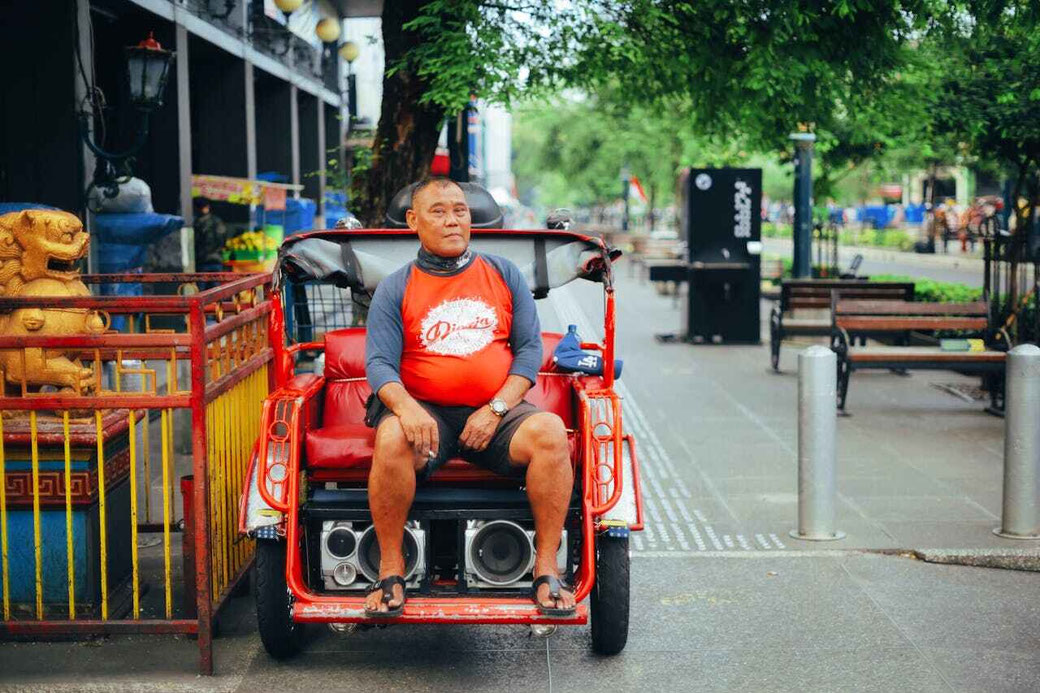
Kota Gede
Silver Craft Heritage & Old Javanese Atmosphere (Yogyakarta)
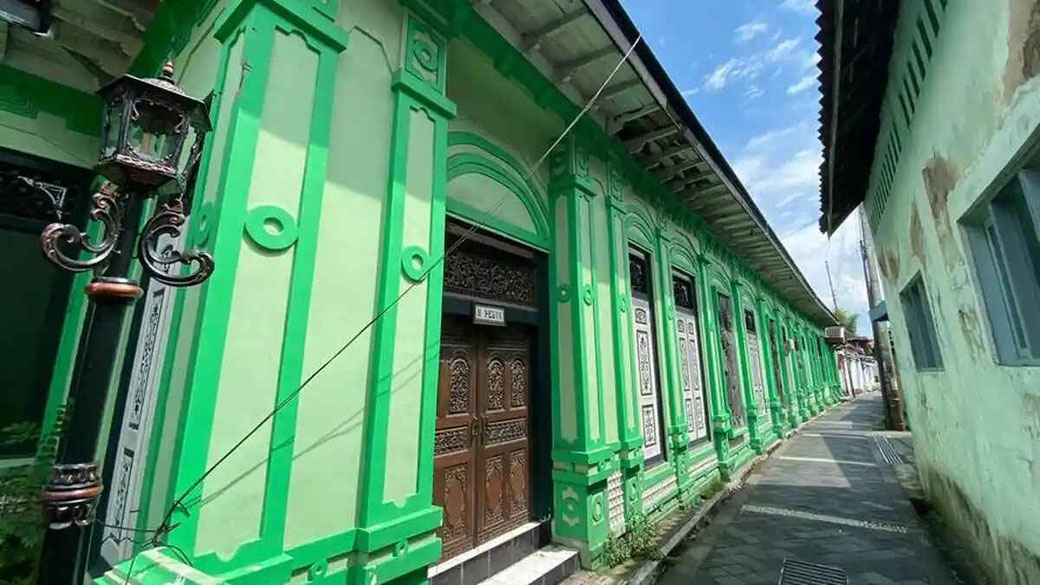
Kota Gede, once the capital of the Mataram Sultanate, is one of the most atmospheric historical districts in Central Java
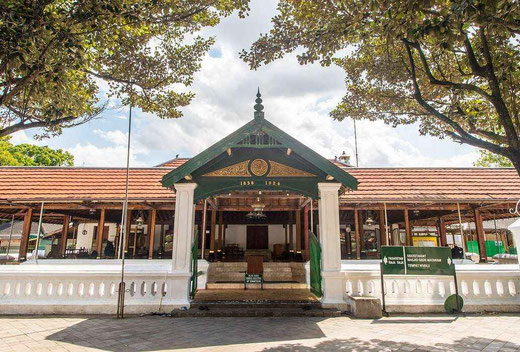
Today it is best known for its traditional silver crafts, produced by artisans whose families have passed down their skills for generations.
Walking through Kota Gede feels like entering an older, quieter version of Yogyakarta: narrow lanes lined with old Javanese houses, carved wooden doors, and small workshops where craftsmen sit on low stools shaping delicate filigree jewelry.
Beyond silver, the area has a deep cultural and architectural heritage. The ancient royal cemetery complex and the old mosque — one of the oldest in Java — reveal the blending of Hindu, Buddhist, and Islamic influences that shaped early Javanese Islam.
Visitors often explore the labyrinth of alleyways on foot or by bicycle, discovering hidden courtyards, quiet batik galleries, and traditional markets. Kota Gede is not a flashy destination; instead, it offers an intimate look at daily life and craftsmanship that still thrives in a slow and authentic way.
For travelers seeking culture beyond the main tourist routes, it’s one of Yogyakarta’s richest historical treasures.
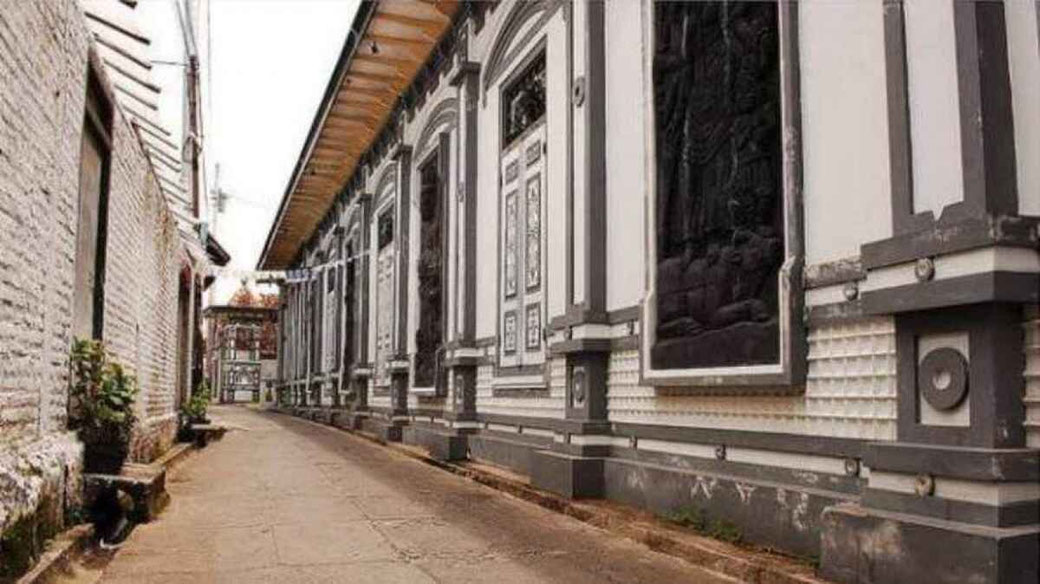
Umbul Ponggok
Freshwater Snorkeling in a Natural Spring (Klaten)

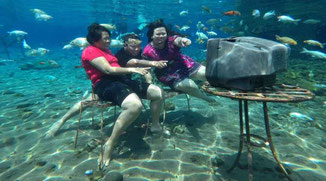

Umbul Ponggok is one of Central Java’s most unique water attractions: a crystal-clear natural spring where visitors can snorkel in freshwater instead of the sea.
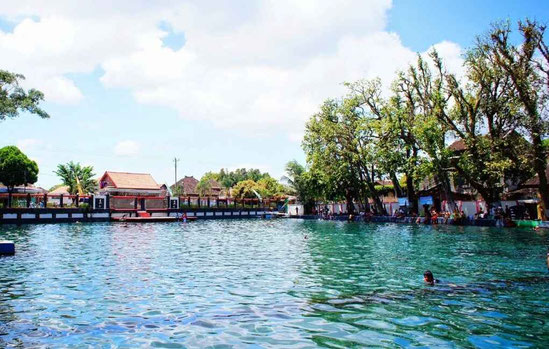
Though popular with locals, it remains relatively unknown outside Indonesia. The water is fresh, cool, and exceptionally clear, allowing swimmers to see fish and smooth stone formations beneath the surface.
What makes Umbul Ponggok unusual is its playful, creative atmosphere. Underwater props — such as bicycles, chairs, scooters, and even small boats — allow visitors to take unique photos while floating or diving. This quirky concept has made the spring extremely popular on social media, but its charm lies in the simplicity of the setting: open skies, palm trees, and a natural pool fed by underground springs that have been used for centuries by local communities.
Visitors often combine a stop here with a trip to nearby Prambanan or the rural villages surrounding Klaten. Umbul Ponggok offers an experience that feels both refreshing and fun, making it a perfect break from cultural sightseeing or long drives.
Mangkunegaran Palace
A Living Javanese Cultural Center (Surakarta / Solo)
The Mangkunegaran Palace in Solo stands as one of the finest examples of Javanese royal architecture still in daily use. Built in the 18th century, the palace carefully preserves the artistic traditions of the Mangkunegaran dynasty. The complex includes traditional Javanese halls with soaring wooden pillars, intricately carved beams, and spacious courtyards designed for royal ceremonies and performances.
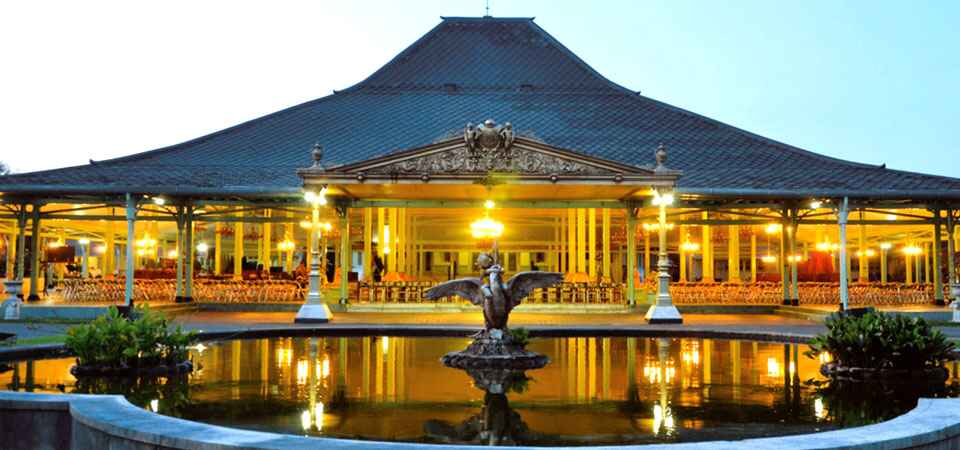
Visitors are guided through the main pavilion — the Pendopo — where valuable collections of royal heirlooms are displayed, including wayang puppets, antique weapons, ceremonial costumes, and dance accessories. Unlike some historical palaces that feel static or museum-like, Mangkunegaran remains a cultural hub where classical Javanese dance rehearsals, gamelan performances, and royal events still take place.
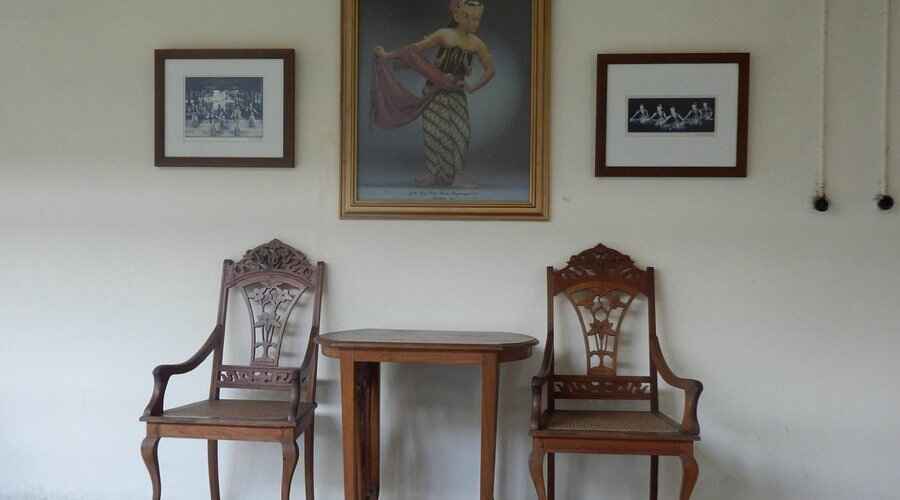
The palace offers a rare chance to witness living traditions rather than simply reading about them. The city of Solo itself is often considered the cultural heart of Java, and Mangkunegaran Palace embodies that spirit beautifully. It is perfect for travelers who appreciate history presented in an elegant yet genuinely local setting.
Lawang Sewu
The Thousand Doors Building (Semarang)
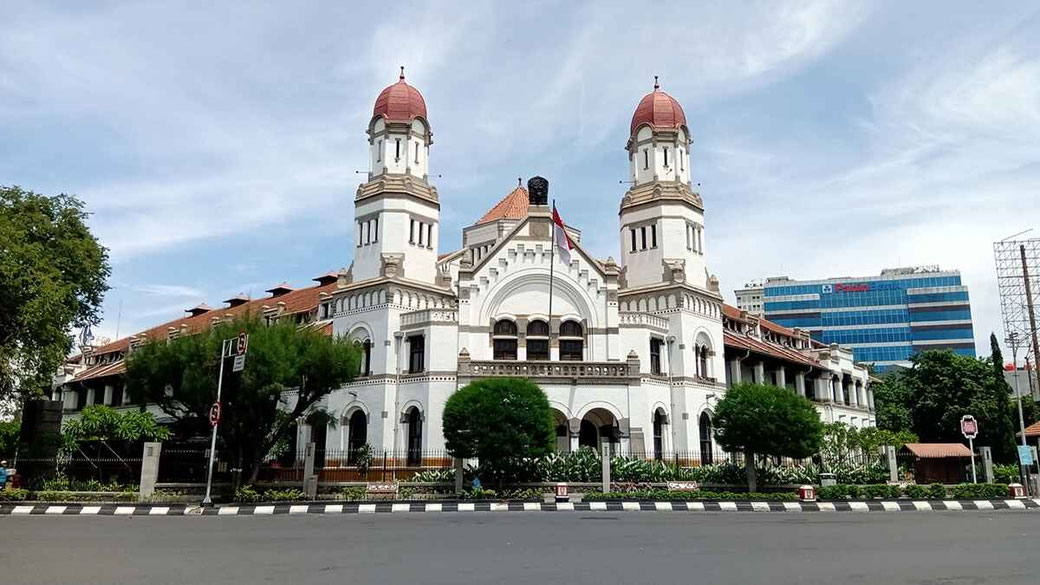

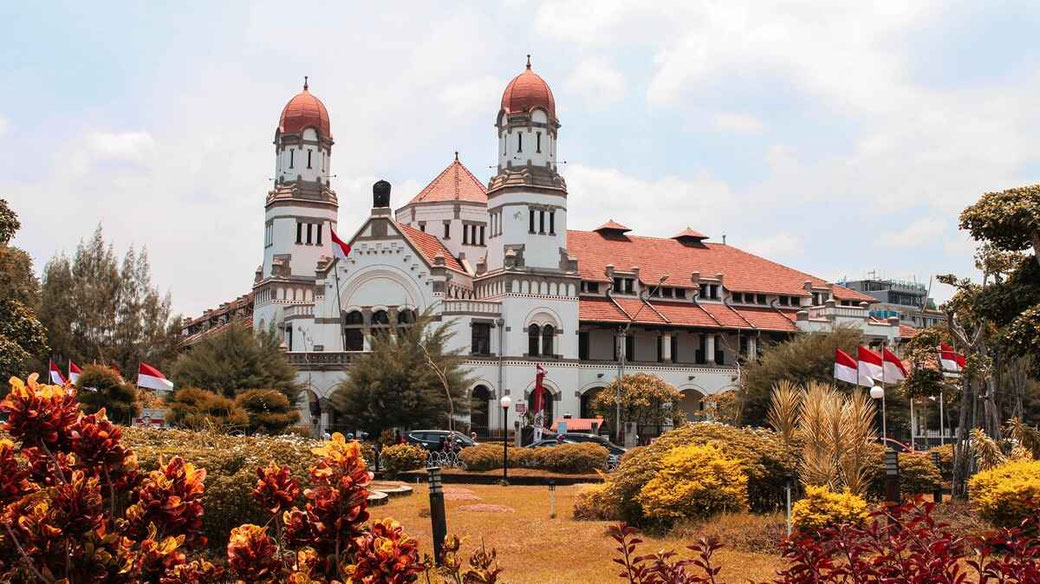
Lawang Sewu, meaning “a thousand doors,” is one of Semarang’s most iconic and mysterious landmarks.
Built in the early 20th century by the Dutch East Indies Railway Company, the building features long corridors, large arched windows, and countless doors and ventilation openings that create the illusion of endless passageways.
Its elegant colonial architecture has made it one of the city’s favorite heritage attractions.
For decades, Lawang Sewu was surrounded by ghost stories and dark legends due to its abandoned state and underground chambers. Since its restoration, however, it has become a bright, informative museum showcasing Semarang’s railway history, photographs, old locomotives, and historical archives.
The building’s spacious courtyard and evening lighting make it particularly atmospheric after sunset.
Visitors today can enjoy both the architectural beauty and the cultural history of this former railway headquarters. It’s a fascinating stop for those who enjoy heritage buildings with a dramatic past, mixing nostalgia, storytelling, and impressive design.
Breksi Cliff Park
Artistic Carvings in a Former Quarry (Yogyakarta)


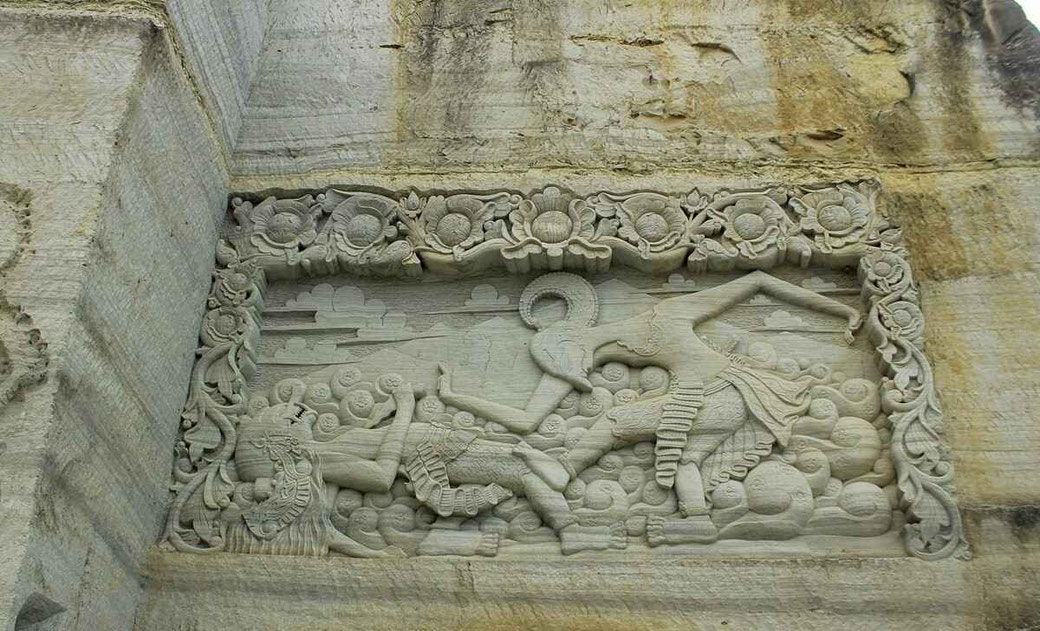
Breksi Cliff Park is one of the best examples of how a simple former quarry can be transformed into a creative tourism space.
Located just a short drive from Prambanan, the cliffs rise dramatically above the surrounding landscape and feature impressive stone carvings created by local artists.
These carvings include mythical creatures, Javanese patterns, and scenes inspired by folklore, giving the site a distinctive cultural character.

The park also offers panoramic viewpoints overlooking green fields, distant mountains, and sunset colors that illuminate the stone walls in warm golden tones. Visitors can climb stairways to elevated platforms, take photos with the giant carvings, or enjoy the open-air amphitheater used for small performances.
Despite being relatively new, Breksi quickly gained popularity among domestic tourists for its combination of art, nature, and accessible walking paths. Yet it remains under the radar for many foreign travelers, making it an ideal stop for those exploring the Yogyakarta–Prambanan region and looking for something different from traditional temples.
Baturraden
Cool Mountain Retreat on Mount Slamet
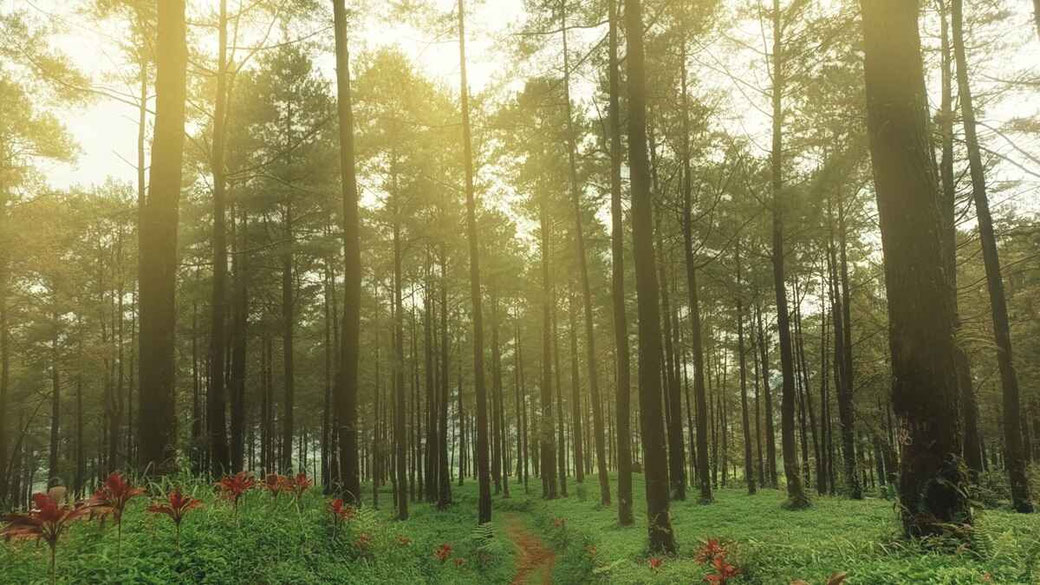
Baturraden is a refreshing highland destination located on the southern slopes of Mount Slamet, Java’s second-highest volcano. Known for its cool climate, lush forests, and scenic viewpoints, Baturraden has long been a favorite weekend escape for locals but remains relatively underexplored by international travelers.
The area combines natural beauty with a relaxed atmosphere: waterfalls cascade through jungle landscapes, natural hot springs offer warm mineral baths, and manicured botanical gardens showcase unique highland flora.
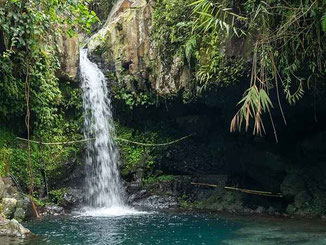
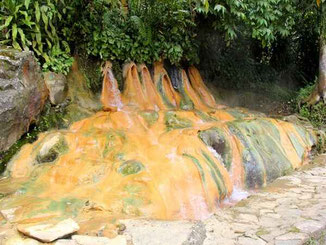

One of the highlights is the Pancuran Pitu hot spring, where steaming sulfuric water emerges directly from the mountainside and flows into pools traditionally used for relaxation and healing.
Nearby cycling routes and walking paths lead through pine forests, allowing visitors to enjoy clean mountain air and quiet surroundings.
On clear mornings, the views stretch over the plains of Purwokerto, framed by terraced farmlands and rolling hills.
Baturraden’s combination of peaceful nature and mild adventure makes it ideal for slow travel, especially for those seeking to experience Java beyond the main tourist cities.
Brown Canyon
Dramatic Erosion Sculptures Near Semarang
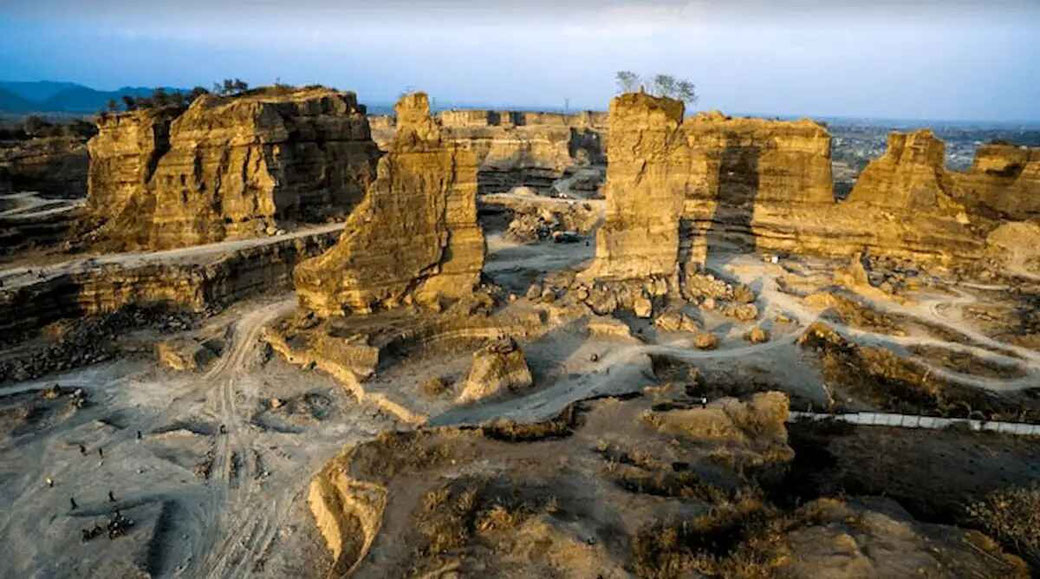
Brown Canyon is a striking landscape created not by natural geological processes alone, but by decades of excavation work.
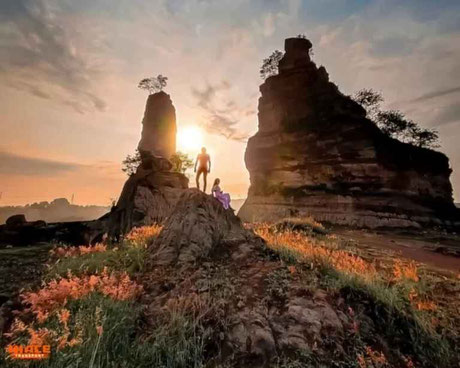
Located on the outskirts of Semarang, this former mining site has transformed over time into a series of towering rock pillars, deep cliffs, and rugged valleys that closely resemble the canyons of the American Southwest.
Although still relatively unknown to foreign visitors, Brown Canyon has become popular among local photographers for its dramatic scenery, particularly during the golden hours when sunlight casts sharp shadows across the sculpted rock walls.
The wind often blows fine dust through the canyon, creating a moody, cinematic atmosphere perfect for photography or simply enjoying the surreal environment.
Because the site is still semi-operational, it feels raw and unpolished — part of its charm.
Visitors will likely encounter trucks, excavation equipment, and local workers as part of the everyday scene.
This gritty authenticity makes Brown Canyon a unique stop for adventurous travelers who appreciate unusual landscapes shaped by both nature and human history.

Tlogo Plantation & Coffee Estate
A Glimpse into Colonial-Era Agriculture (Ambarawa)
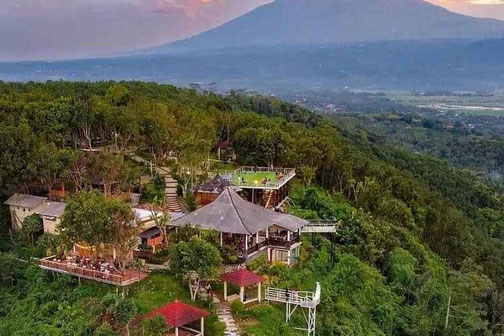

Tlogo Plantation offers a fascinating journey into Java’s agricultural heritage. Established during the Dutch colonial period, this working plantation grows coffee, rubber, cocoa, and various tropical fruits.
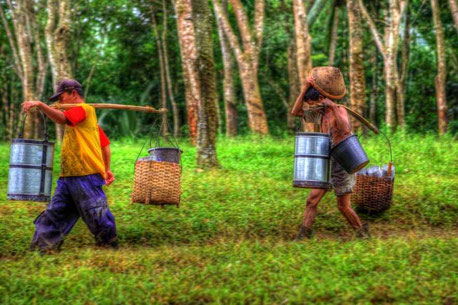
Visitors are welcomed to explore the estate’s old factory buildings, plantation houses, and scenic agricultural fields while learning about traditional coffee processing methods still used by local farmers.
The estate’s atmosphere is peaceful, with shady lanes, colonial-era architecture, and tranquil ponds surrounded by dense greenery.
Guided tours introduce visitors to the harvesting and roasting process, offering freshly brewed coffee straight from the plantation.
Some areas of the estate also include nature trails that pass through rubber forests and fruit orchards.
While many tourists head straight to Java’s temples or major cities, Tlogo offers a refreshing alternative — a slower experience that connects travelers with the island’s long agricultural history.
It is especially appealing for those who enjoy heritage tourism, rural environments, and authentic local culture.
Goa Jomblang
Vertical Cave Descent into the “Light of Heaven” (Gunungkidul)
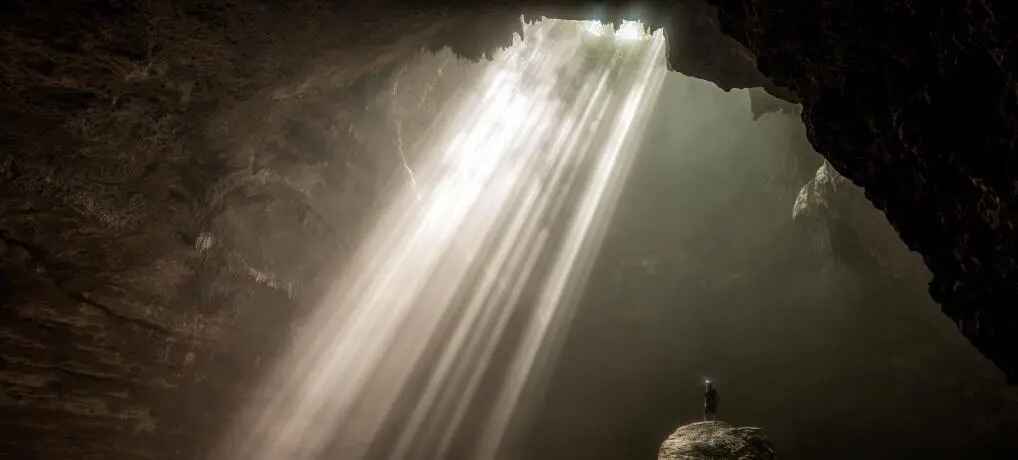
Goa Jomblang is one of Central Java’s most spectacular natural wonders, famous for the beam of sunlight that enters the cavern like a spotlight — often referred to as the “Light of Heaven.”
Unlike ordinary caves, Jomblang is a vertical sinkhole, and visitors descend 60 meters down using ropes and harnesses under the supervision of experienced local guides

At the bottom lies a forest that has been growing undisturbed for centuries, its vegetation different from the surface due to the unique cave environment.
A muddy path leads through ancient rock formations to a tunnel connecting to another massive chamber where the dramatic light beam appears around midday.
When sunlight breaks through the opening above, it illuminates swirling mist and creates an unforgettable scene often described as one of Java’s most magical natural spectacles.
Although Jomblang has gained popularity through social media, it remains far less crowded than major temples or beaches, mainly due to its remote location and controlled visitor system.

For adventurous travelers, this cave offers an extraordinary combination of geology, exploration, and natural beauty.
Merapi Museum & Lava Tour
Understanding Java’s Most Active Volcano (Yogyakarta)
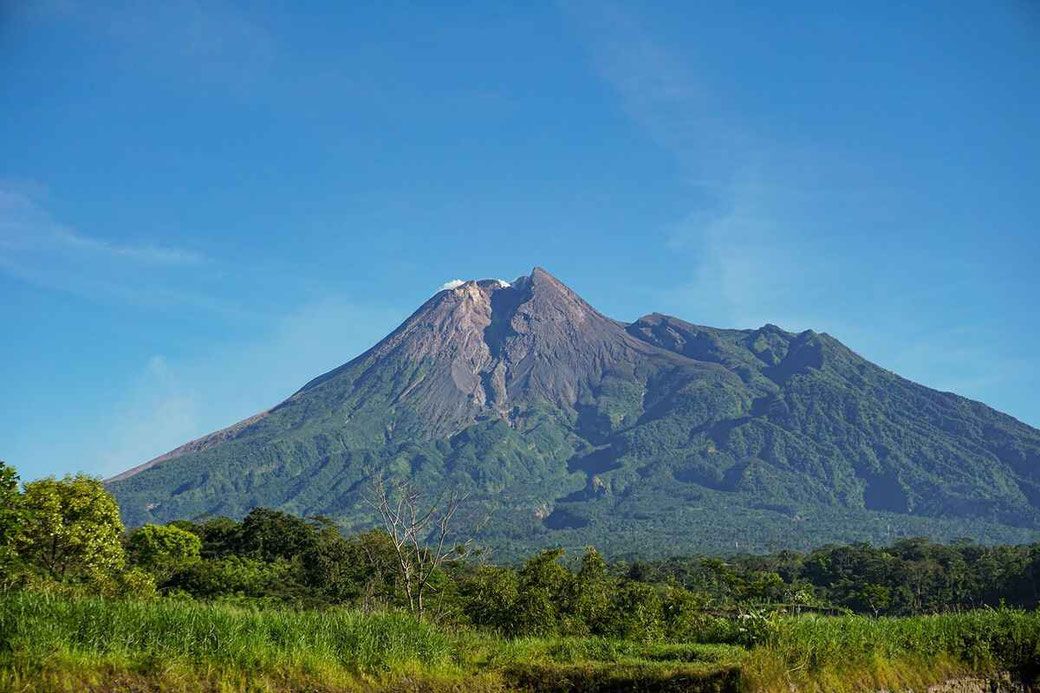
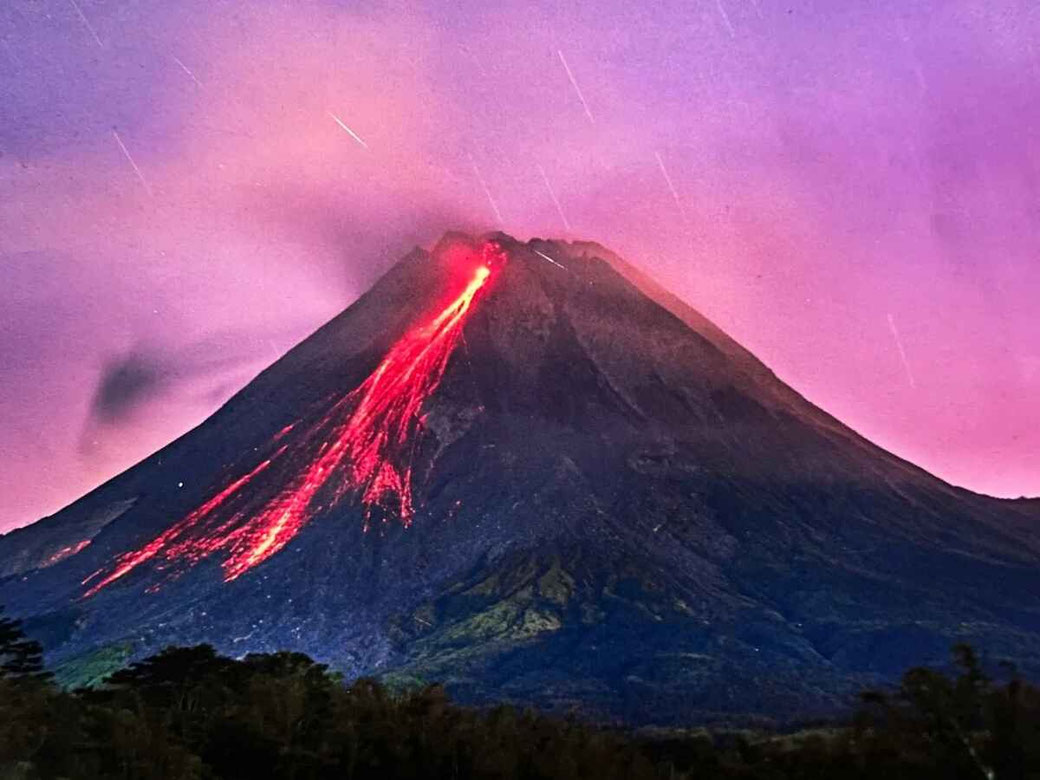
Mount Merapi is one of the world’s most active volcanoes, and its eruptions have shaped the culture and landscape of Central Java for centuries.

The Merapi Museum offers an informative introduction to the volcano’s history, geology, and impact on local communities. Exhibits include recordings of past eruptions, volcanic tools, preserved objects recovered from destroyed villages, and interactive displays explaining tectonic activity.
After visiting the museum, many travelers join a Jeep Lava Tour that explores the slopes of Merapi.
These tours visit old bunker sites, former settlements buried by lava flows, and dramatic viewpoints overlooking the rugged terrain created by recent eruptions.
The experience offers a rare chance to see how life continues in the shadow of a powerful volcano, with local communities rebuilding and adapting after each eruption.
The combination of museum education and real-world exploration makes this attraction particularly compelling. It gives travelers a deeper appreciation for Java’s volcanic environment and the remarkable resilience of the people who live near Merapi.
Have more tips or suggestions?
Let us know in the comments below and help other visitors discover even more great places and experiences.