Resistance, Unrest, and the Rise of Nationalism in Java

Early Resistance to Colonial Authority
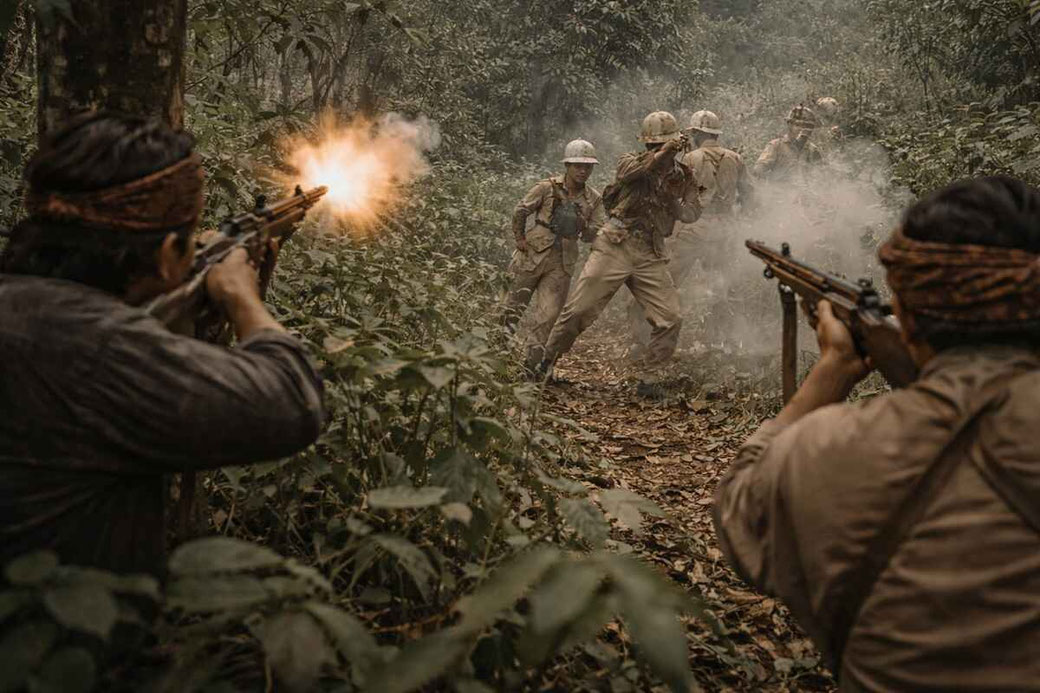
Colonial rule on Java was never accepted without resistance. Local rulers, religious leaders, and communities repeatedly challenged Dutch authority, particularly when traditional power structures were undermined or economic pressures increased.
While some conflicts were localized and short-lived, others developed into prolonged struggles that destabilized large parts of the island. These early uprisings reflected not only political opposition, but also deep social and cultural tensions caused by rapid change.
The Java War (1825–1830)
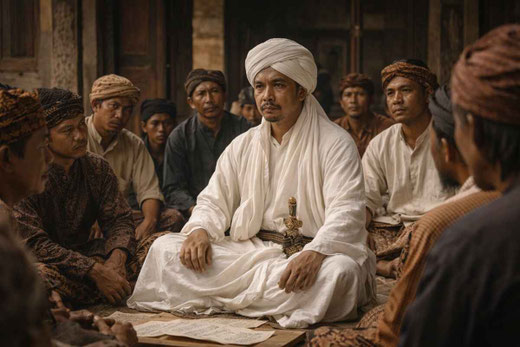
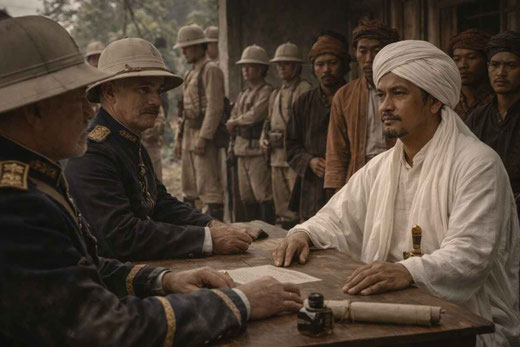
One of the most significant conflicts of the colonial period was the Java War, led by Prince Diponegoro. Rooted in disputes over land, succession, and religious authority, the war quickly escalated into a widespread rebellion across central Java.
Diponegoro mobilized rural communities, religious networks, and disaffected nobles. His forces relied on guerrilla tactics, using their knowledge of terrain and local support to challenge a better-equipped colonial army.
The conflict lasted five years and caused enormous loss of life on both sides. Although ultimately suppressed, the Java War demonstrated the limits of colonial control and left a lasting legacy of resistance.
Social Change and Growing Discontent
Following the Java War, the colonial government tightened its grip on the island. Administrative reforms increased efficiency, but also expanded surveillance and control over local populations.
Economic policies tied Java more closely to global markets, benefiting some elites while increasing hardship for others. Social divisions sharpened as access to education, wealth, and political influence remained highly unequal.
These conditions fostered a growing sense of injustice, particularly among educated Javanese who became increasingly aware of political developments beyond the island.

The Rise of Political Awareness
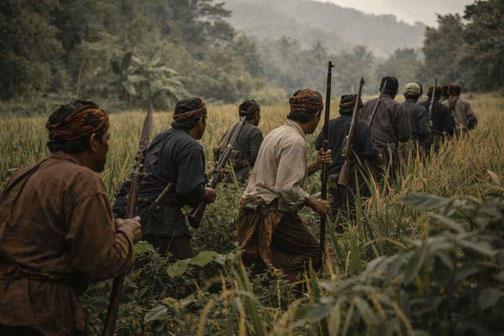
By the late 19th century, resistance began to take new forms. Rather than armed rebellion alone, opposition increasingly emerged through ideas, organizations, and public debate.
Western-style education produced a small but influential group of Javanese intellectuals who questioned colonial rule using concepts such as rights, representation, and national identity. Newspapers, associations, and study groups became platforms for political discussion and reformist thought.
This period marked a transition from traditional resistance to modern nationalism.
Early Nationalist Movements
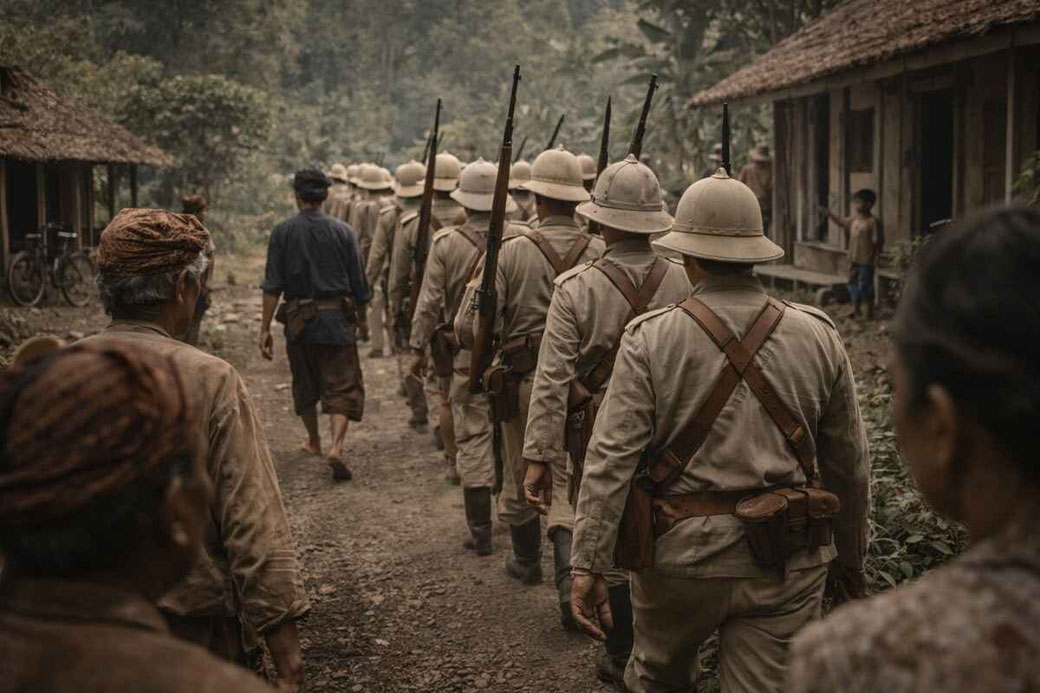
In the early 20th century, political organizations began to articulate broader visions of unity and self-determination.
While initially focused on cultural revival, social welfare, or religious reform, these movements gradually adopted political goals.
They emphasized:
- Shared identity across ethnic and regional lines
- Social justice and dignity
- Greater participation in governance
Although tightly monitored by colonial authorities, these movements played a crucial role in shaping Indonesia’s future leadership.

Repression and Reform
Colonial responses alternated between repression and limited reform. While some concessions were introduced, political freedoms remained restricted. Activists faced censorship, imprisonment, or exile.
At the same time, the colonial administration recognized that maintaining long-term stability would require addressing social grievances. This tension between control and reform defined the final decades before the dramatic upheavals of the 20th century.
Toward a New Era
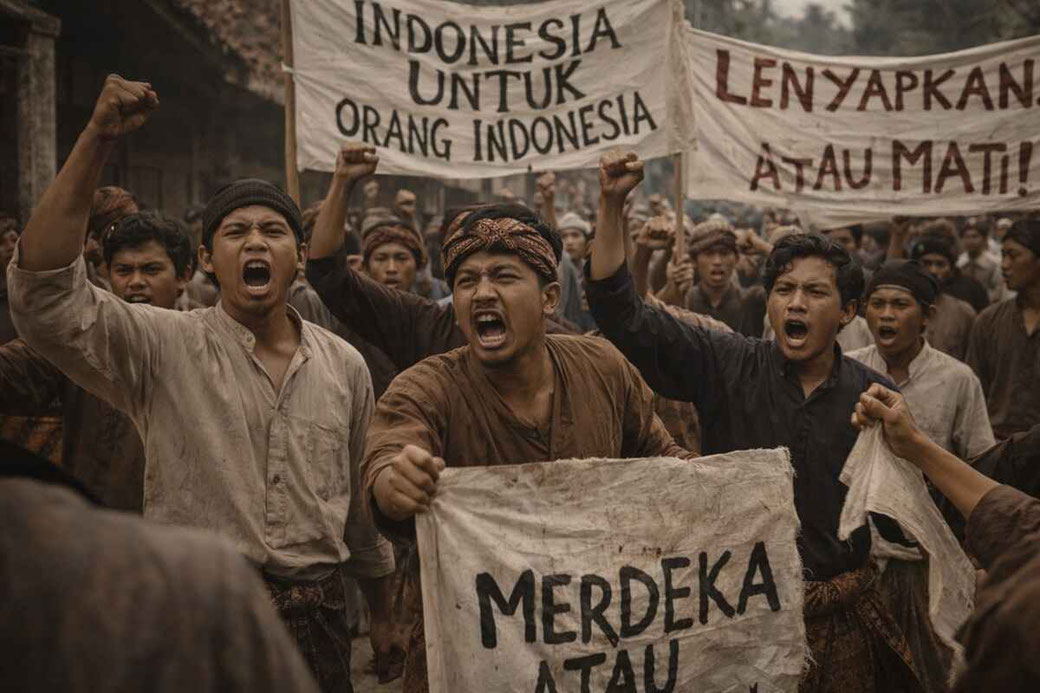
By the outbreak of the Second World War, Java was no longer merely a colonial possession. It had become a center of political consciousness, where ideas of independence were openly discussed and increasingly supported.
The combination of past resistance, social transformation, and emerging nationalism ensured that colonial rule could no longer remain unchallenged. The stage was set for the events that would soon reshape Java — and Indonesia — forever.
The next chapter explores how the Second World War and the Japanese occupation transformed this growing nationalist movement into a decisive struggle for independence.