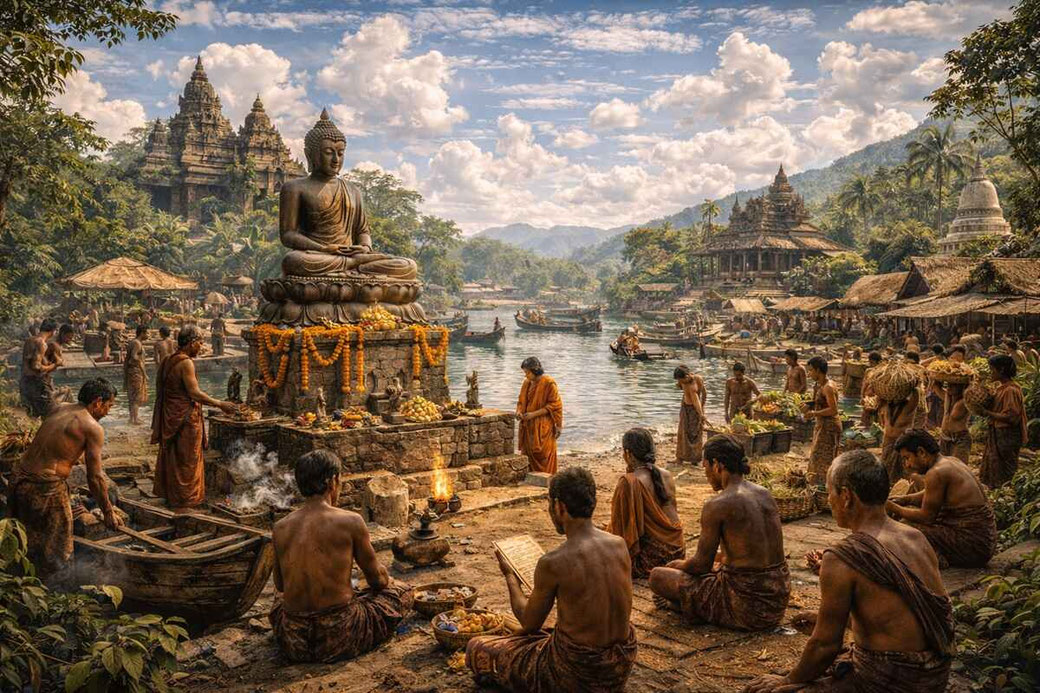
Early Kingdoms and Hindu-Buddhist Influence
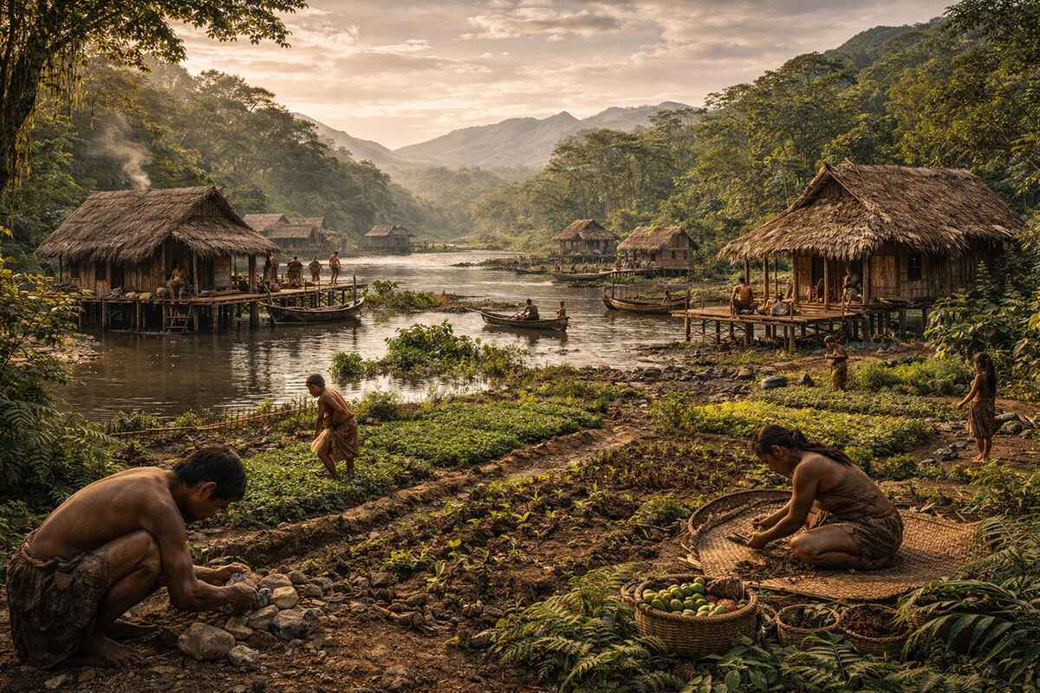
Java and the Indian Ocean World
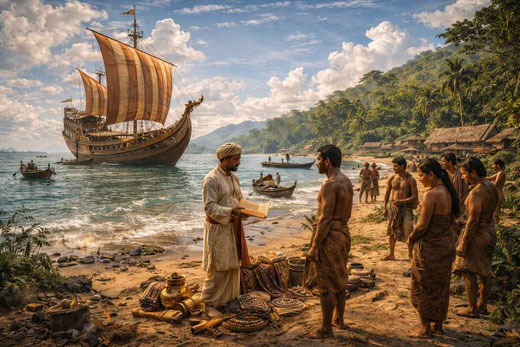
From an early period, Java was not an isolated island. Its location along major maritime trade routes connected it to a wider world stretching from India to China. Merchants brought not only goods such as spices, textiles, and metals, but also ideas — including new religious concepts, political models, and artistic traditions.
Rather than being imposed by conquest, Hindu and Buddhist influences reached Java gradually. Local elites adopted these belief systems as tools to strengthen authority, legitimize rule, and connect their kingdoms to the prestige of ancient Indian civilizations.
The Rise of Early Kingdoms
The earliest known kingdoms on Java began to appear in the first centuries CE.
These states were centered along fertile river valleys and coastal regions, where agriculture and trade could flourish.
Among the earliest was Tarumanagara, located in western Java, known from stone inscriptions that reference Hindu deities and royal authority.
In central Java, powerful dynasties emerged that embraced both Hinduism and Buddhism. Rather than replacing local traditions, these religions blended with existing beliefs, creating a distinctly Javanese spiritual landscape.
Hinduism, Kingship, and Cosmic Order
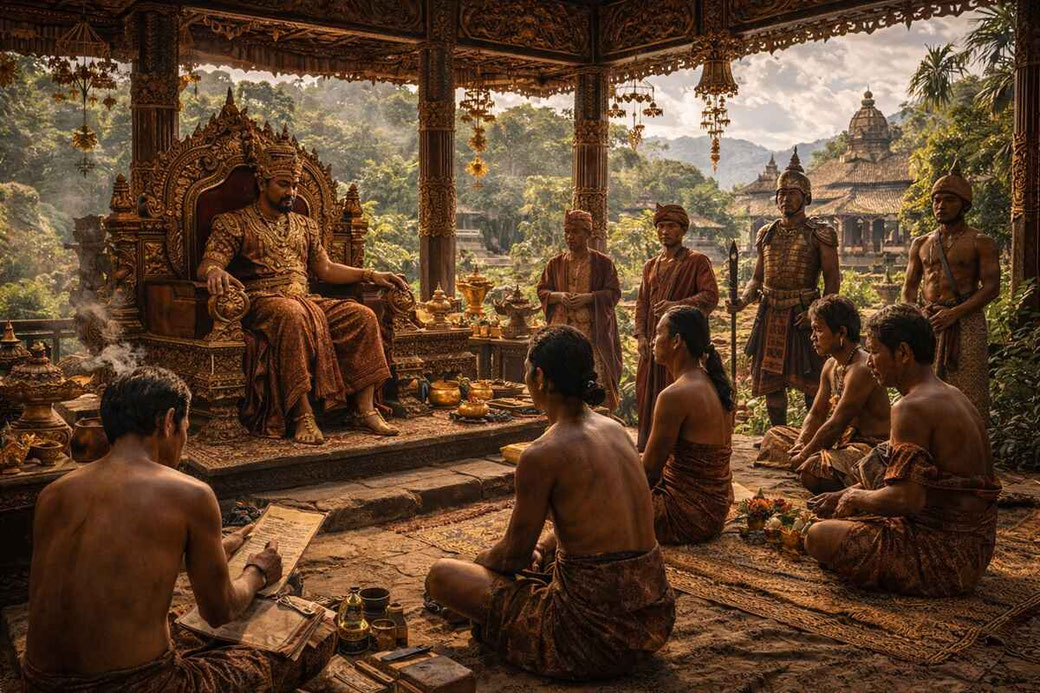
Hindu concepts introduced new ideas about kingship and power. Rulers were seen not merely as political leaders, but as guardians of cosmic balance. The king’s role was to maintain harmony between the human world and the divine order.
This worldview shaped governance, architecture, and ritual life. Temples were built not only as places of worship, but as symbolic representations of the universe. Mountains, already sacred due to Java’s volcanic landscape, became associated with Mount Meru — the mythical center of the Hindu cosmos.
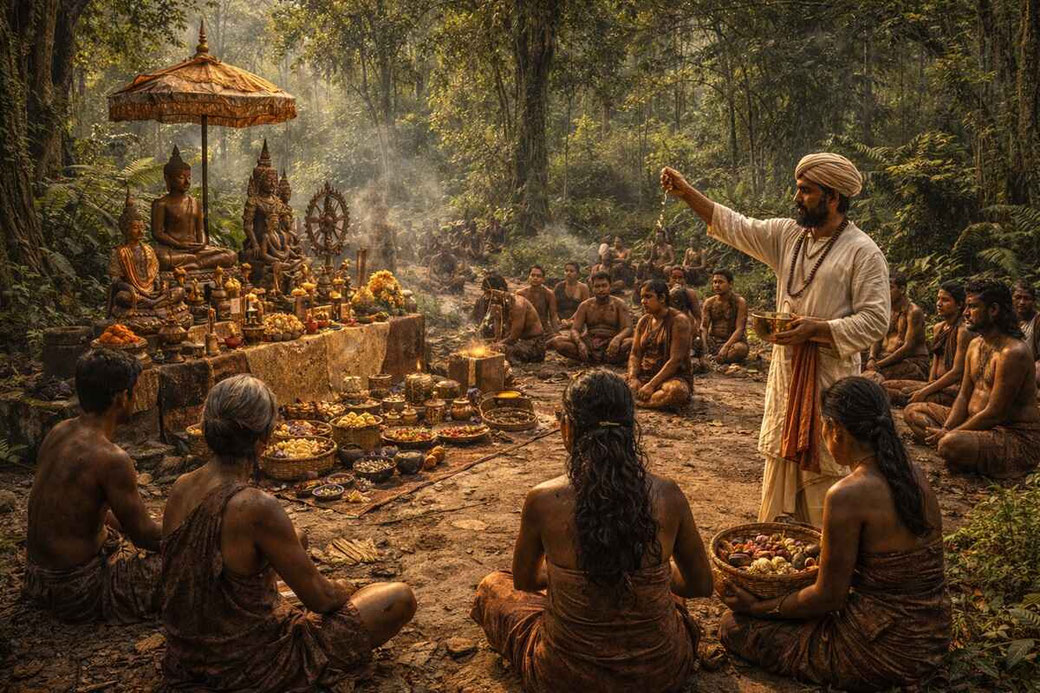
Buddhism and Spiritual Authority
Alongside Hinduism, Buddhism gained strong influence, particularly under the Sailendra dynasty. Buddhist teachings emphasized compassion, enlightenment, and spiritual discipline. These ideas resonated deeply with Javanese society and complemented existing beliefs.
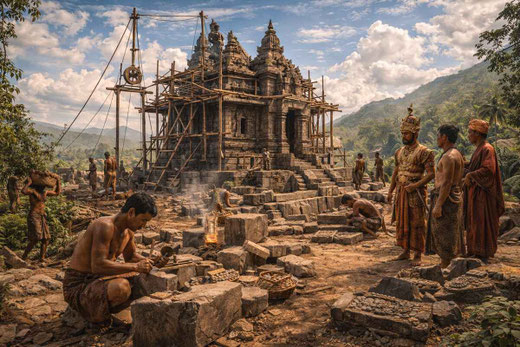
The construction of monumental religious complexes demonstrated both spiritual devotion and political power. The most famous example is Borobudur, a vast Buddhist monument designed as a spiritual journey from the earthly realm toward enlightenment.
Sacred Architecture and the Landscape
Religious architecture transformed Java’s landscape. Temples were carefully positioned in relation to mountains, rivers, and cardinal directions, reflecting a deep connection between spirituality and geography.
Hindu temples such as Prambanan honored powerful deities, while Buddhist monuments emphasized meditation and inner transformation. Together, these structures reveal a society where religion, art, and political authority were inseparable.
Society, Art, and Daily Life
Hindu-Buddhist influence extended far beyond temples and royal courts. Epics such as the Ramayana and Mahabharata became central to storytelling, performance, and moral education. These narratives were adapted into local forms, including dance, sculpture, and later wayang shadow theatre.
Social structures evolved as well, with new roles for priests, artisans, and administrators. Yet local customs remained strong, resulting in a unique blend of imported ideas and indigenous traditions.
A Lasting Cultural Foundation
By the end of the Hindu-Buddhist period, Java had developed a sophisticated cultural identity. Kingdoms rose and fell, but the spiritual concepts they introduced continued to shape Javanese thought.
Even as new religions and political systems later arrived, the foundations laid during this era endured. Ideas about harmony, sacred landscapes, and the relationship between ruler and cosmos would influence Java for centuries to come.