Java under Dutch Colonial Rule

From Company Rule to Colonial State
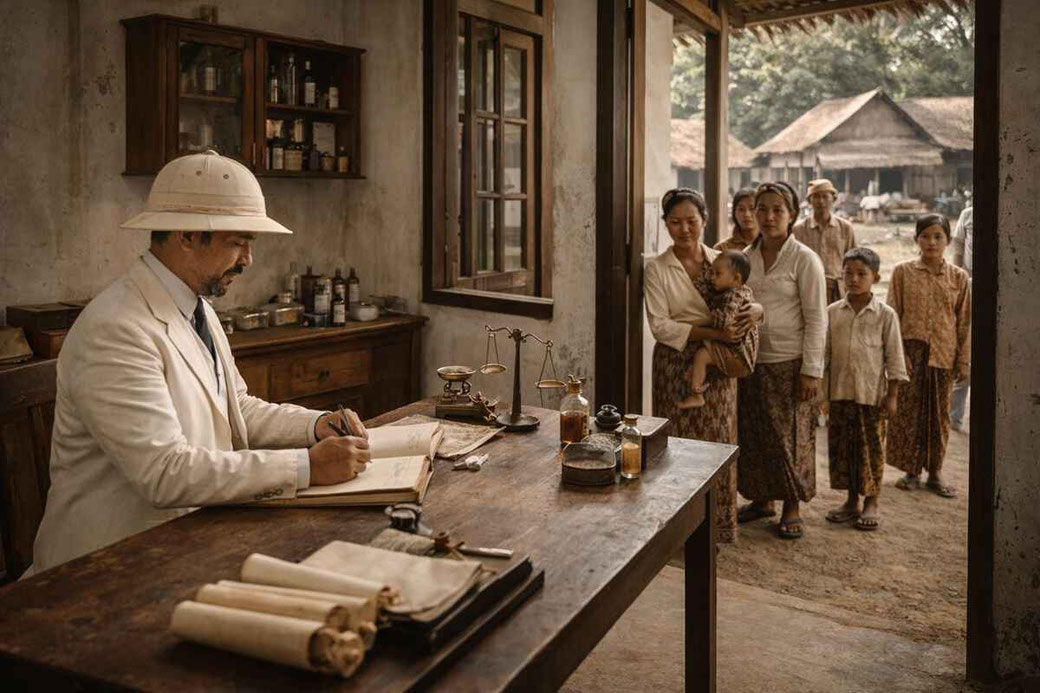
After the decline of the VOC at the end of the 18th century, Java came under direct control of the Dutch state. What followed was the gradual transformation from a trading-based presence into a formal colonial administration. Dutch authority expanded inland, replacing indirect influence with structured governance that reached villages, courts, and agricultural lands.
Administrative Order and Governance
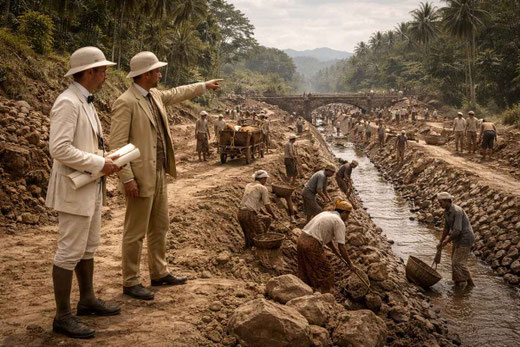
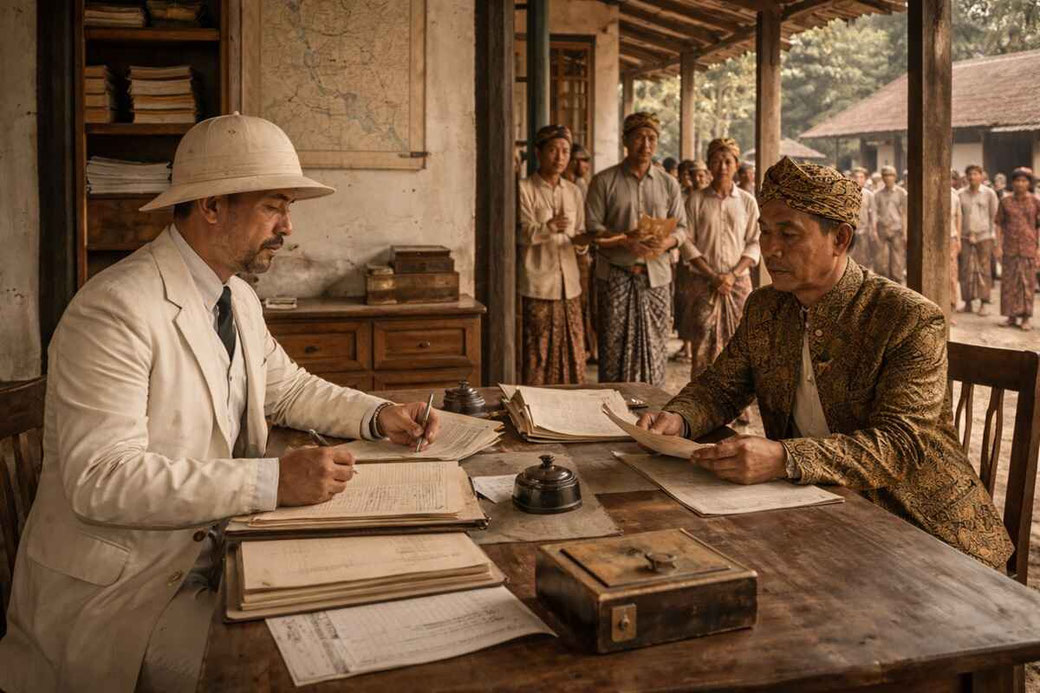
The Dutch introduced a centralized administrative system, dividing Java into residencies and districts overseen by colonial officials.
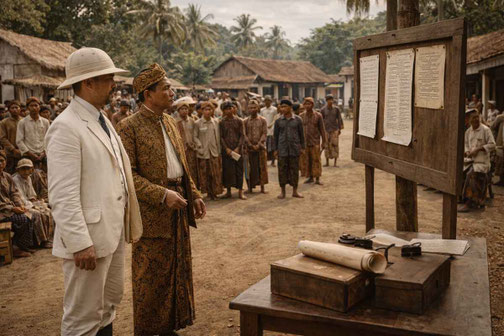
At the same time, traditional rulers and regents (bupati) were integrated into the system, retaining status and authority while serving colonial interests.
This dual structure blended European bureaucracy with existing Javanese hierarchy, creating a relatively stable — though unequal — system of rule.
Economic Transformation and Agriculture
Java’s economy was reshaped to serve global markets.
The Cultivation System (Cultuurstelsel) of the 19th century forced farmers to grow export crops such as sugar, coffee, and indigo. While this system caused hardship in many rural areas, it also generated wealth that funded infrastructure and administration. Later reforms gradually reduced compulsory labor and allowed private enterprise to expand.
Infrastructure and Modernization
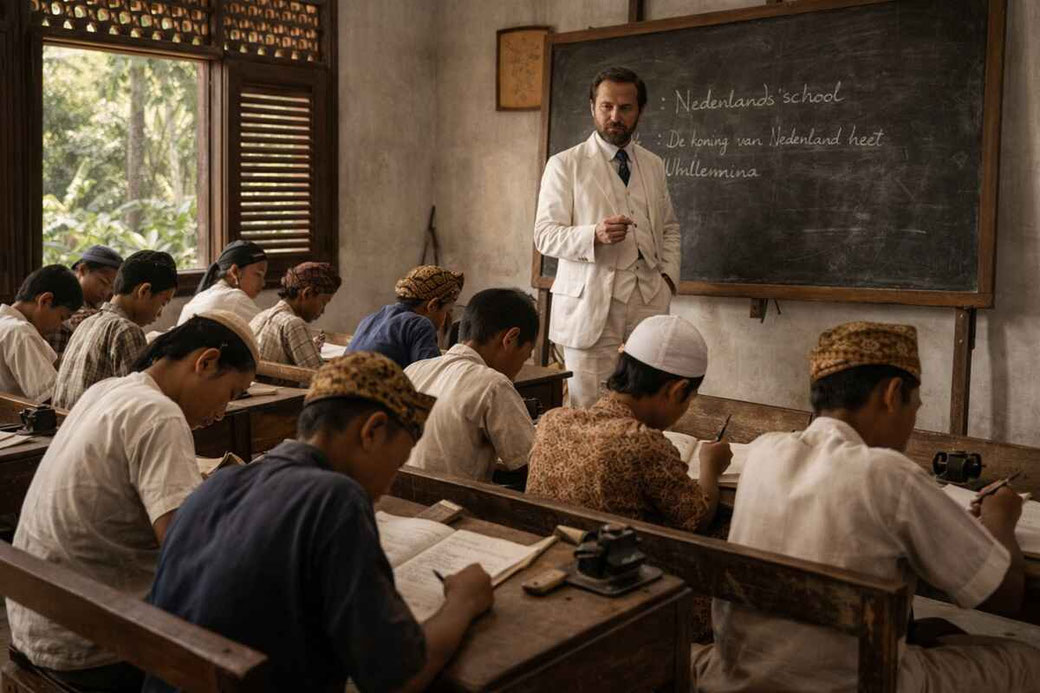
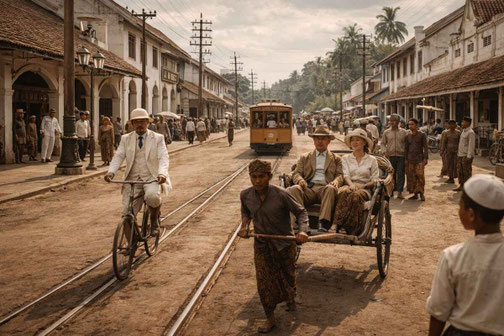
Colonial rule dramatically altered Java’s physical landscape. Roads, railways, bridges, ports, irrigation systems, and cities were developed to support trade and administration. These projects improved connectivity across the island and laid foundations still visible today. While primarily serving colonial interests, they also facilitated local mobility, commerce, and urban growth.

Education and Social Change
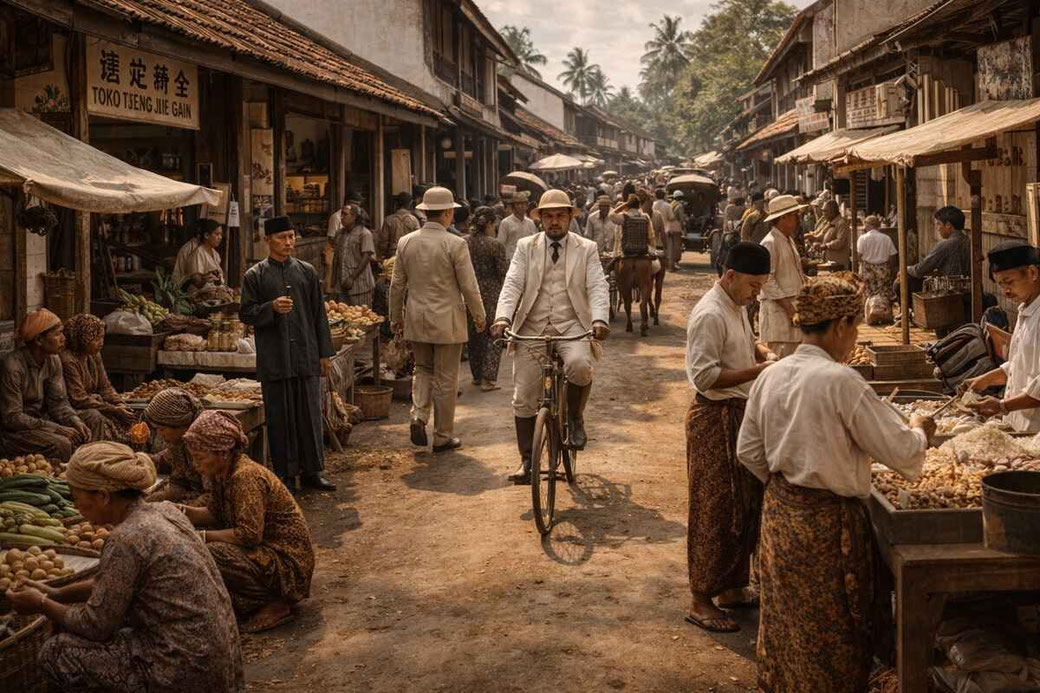
Western-style education was introduced, initially for colonial elites but later extended to selected Javanese groups.
Schools trained clerks, teachers, and professionals, creating a new educated class.
This group would eventually play a key role in political awareness and nationalist movements. Education became one of the most enduring legacies of the colonial era.
Everyday Life and Cultural Interaction
Daily life under colonial rule involved constant interaction between Europeans, Indonesians, Chinese communities, and other groups.
Cities became culturally mixed spaces where ideas, customs, and technologies crossed boundaries. Although social divisions were clearly defined, cooperation in trade, administration, and education was common, shaping a complex shared reality.
Inequality and Growing Tensions
Despite modernization, colonial society remained deeply unequal. Legal systems, land ownership, and political power favored Europeans. These inequalities, combined with rising education and global ideas, gradually fueled resistance and political awareness. By the early 20th century, calls for reform and self-determination became increasingly difficult to ignore.
A Complex Legacy
Dutch colonial rule left a mixed legacy on Java. It brought order, infrastructure, and institutions that modernized the island, but at significant human and social cost. The foundations of modern Java were laid during this era — not through harmony alone, but through adaptation, compromise, and growing demands for change.