
Independent Java: From Sukarno to the Present
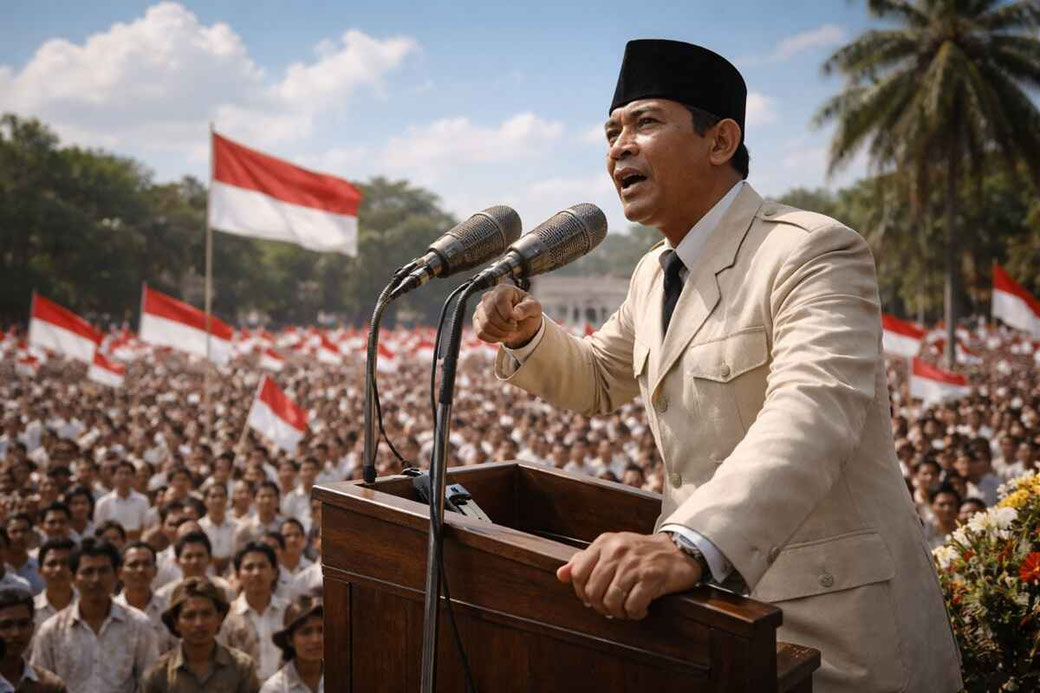
The Rise of Soekarno and a New Nation
In 1949, international pressure forced the Netherlands to formally recognize Indonesian independence. Java, long the political and administrative heart of the archipelago, became the center of the new republic.
Soekarno emerged as both symbol and architect of independence. Charismatic and visionary, he sought to unite a deeply diverse population under the concept of Pancasila, a philosophy meant to balance nationalism, religion, and social justice. His speeches inspired millions, and his presence dominated political life throughout the 1950s.
Yet independence also brought instability. Economic hardship, regional unrest, and competing political ideologies made governance difficult. Java stood at the center of these struggles, as the island where power, population, and political debate were most concentrated.
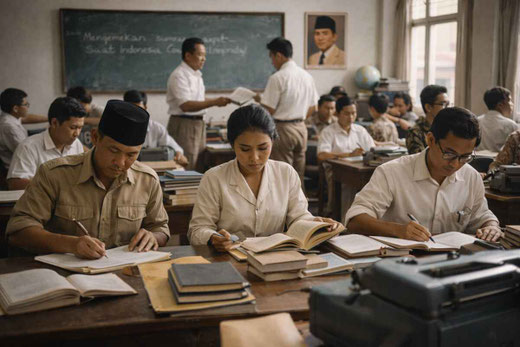
Guided Democracy and the Turbulent 1960s
By the late 1950s, Soekarno moved away from parliamentary democracy toward what he called Guided Democracy. Power became increasingly centralized, and political opposition was curtailed.
The military and the Indonesian Communist Party both gained influence, creating a fragile balance.
The situation reached a breaking point in 1965, when a failed coup attempt triggered widespread violence and political purges. Java was once again the epicenter. Hundreds of thousands lost their lives, and the political landscape changed irreversibly.
These events marked the end of Soekarno’s rule and ushered in a new chapter under military-backed leadership.
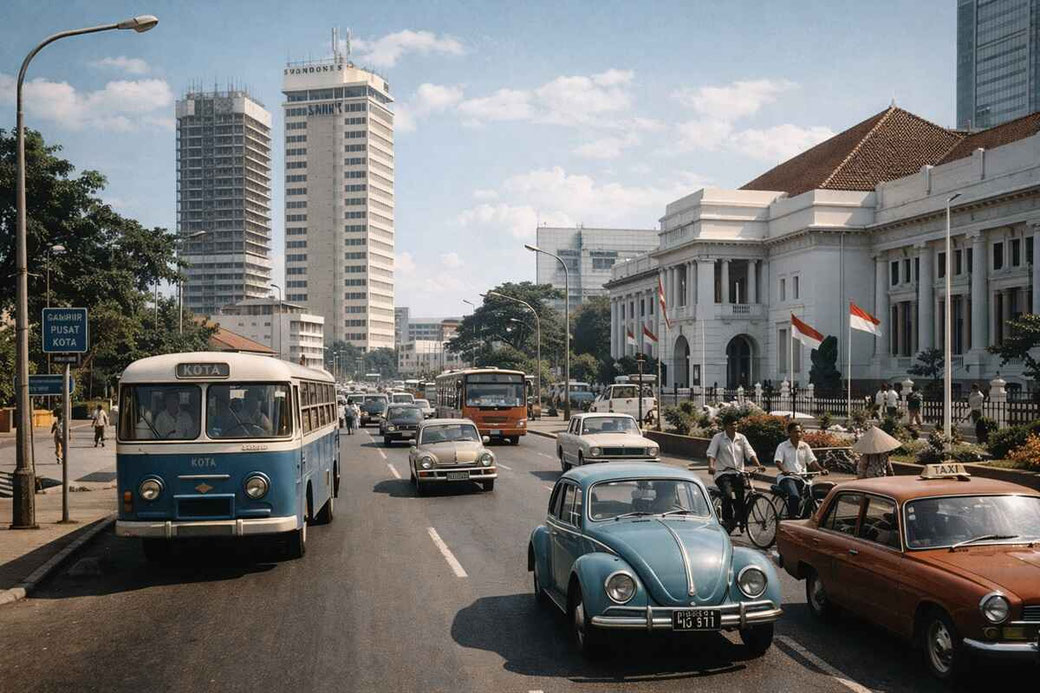
Java in the New Order: Stability and Development
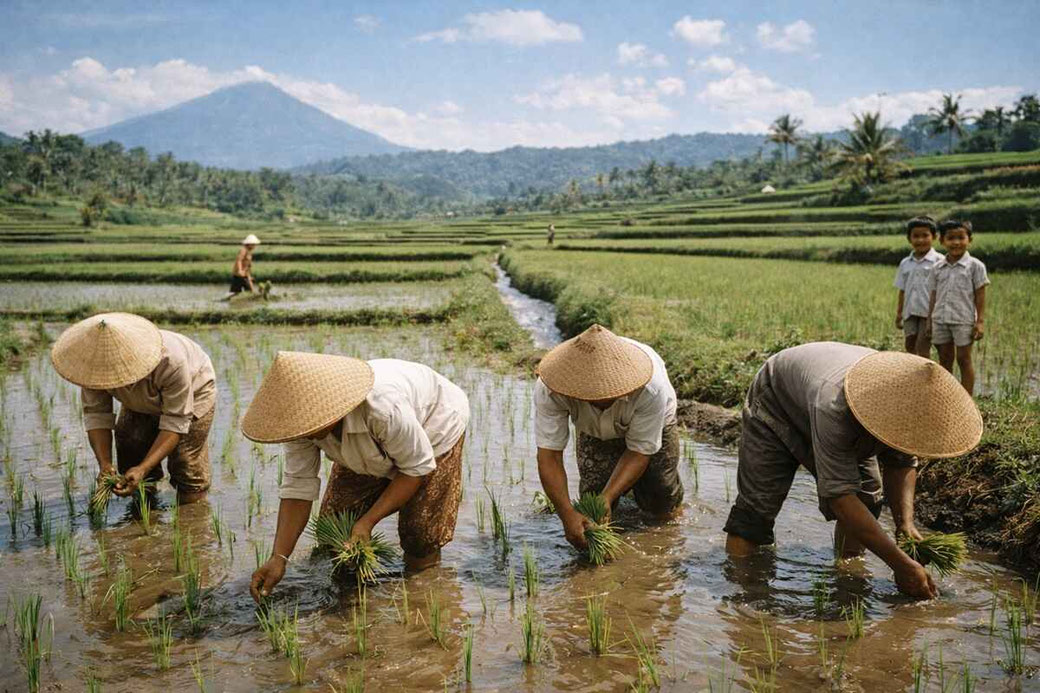
Under President Suharto, Indonesia entered the so-called New Order period. Political stability and economic development became top priorities. On Java, infrastructure expanded rapidly: roads, schools, irrigation systems, and cities grew at an unprecedented pace.
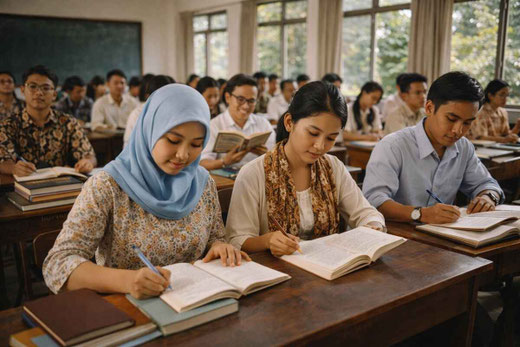
Urban centers such as Jakarta, Surabaya, and Bandung transformed into modern metropolises. Education improved, and a growing middle class emerged. For many, daily life became more predictable and materially secure.
At the same time, political freedoms were limited, and dissent was tightly controlled. Java benefited greatly from development, but it also bore the weight of centralized power and inequality.
Japan’s Defeat and the Power Vacuum
In August 1945, Japan surrendered after the atomic bombings of Hiroshima and Nagasaki. On Java, Japanese authority collapsed almost instantly. However, no clear replacement government was ready to take control.
This sudden vacuum created chaos but also opportunity. Indonesian leaders moved quickly to proclaim independence, while Japanese forces were ordered to maintain order until Allied troops arrived.
The British Role After 1945
British forces, acting on behalf of the Allies, arrived in parts of Java later in 1945. Their role was not to re-establish colonial rule, but to oversee the disarmament of Japanese troops and manage the transfer of authority.
The most dramatic confrontation occurred in Surabaya, where tensions between Indonesian nationalists and Allied forces erupted into violent conflict in November 1945. Although British troops were involved, their presence was temporary and politically constrained.
International Pressure and the End of Empire
After the war, global political realities had changed. The Netherlands sought to regain control over its former colony, but faced increasing international opposition. The United States, emerging as a dominant global power, exerted diplomatic and economic pressure on the Dutch government.
American support for post-war reconstruction in Europe became increasingly tied to decolonization. Under mounting international scrutiny and pressure, the Netherlands was forced to accept that colonial rule could no longer be maintained.
Modern Java: Tradition and Transformation
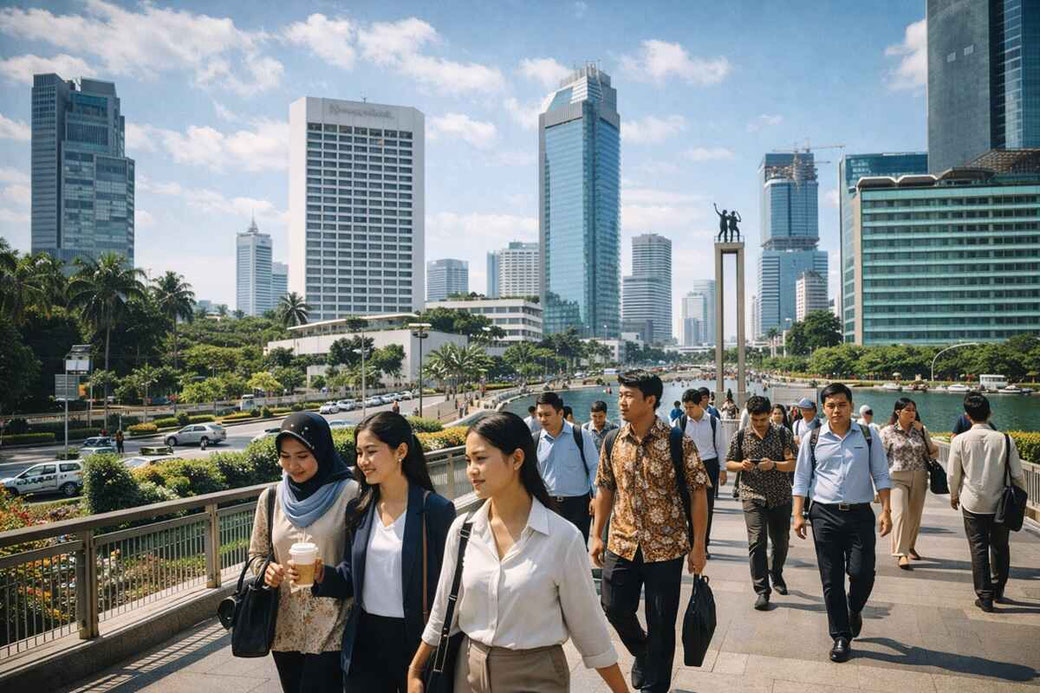
Today, Java is a place of striking contrasts. Ancient temples stand near modern highways. Traditional villages coexist with megacities. Digital startups thrive alongside centuries-old crafts.
The island remains Indonesia’s political, cultural, and economic core. Its population is young, connected, and increasingly global in outlook, yet deeply rooted in local traditions.
Education, tourism, creative industries, and technology now shape Java’s future, while debates over sustainability and urbanization grow ever more important.

Looking Ahead
Java’s story is one of constant reinvention. From volcanic origins to early kingdoms, from colonial rule to independence, the island has repeatedly adapted to change.
The future of Java will depend on how it balances growth with preservation, progress with tradition, and global influence with local identity. Its long history offers both lessons and resilience — qualities that continue to guide the island into the decades ahead.
This concludes the historical journey of Java, from its geological beginnings to its place in the modern world.